Uncovering Synergies Between Smartphone Accessibility and Alternative Payment Systems in High-Tier Reward Schemes for Dealer-Led Digital Entertainment
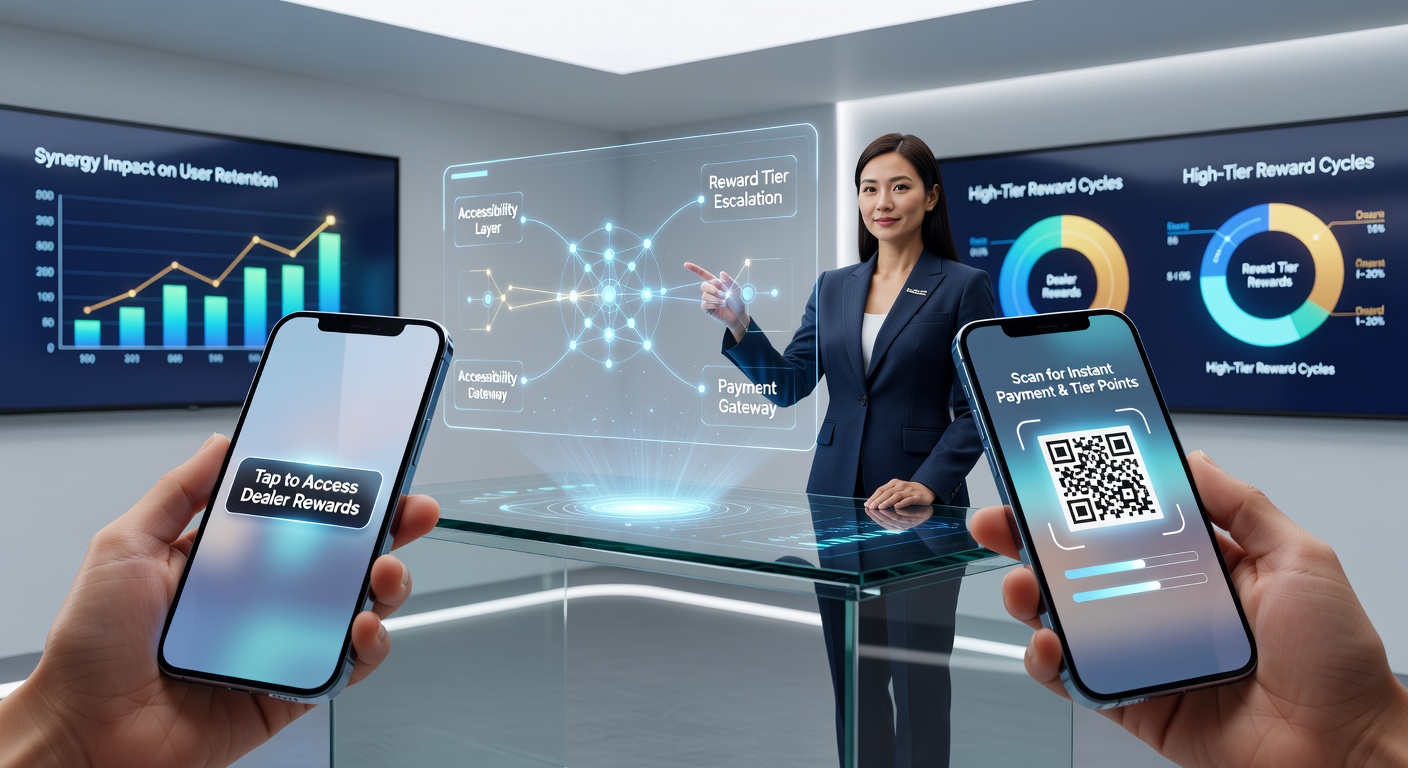
Smartphone accessibility features and alternative payment systems intersect in ways that reshape high-tier reward structures within dealer-led digital entertainment platforms, where live dealer interactions form the core experience. Observers note that mobile devices equipped with biometric authentication and real-time connectivity enable participants to engage continuously while alternative payment methods such as digital wallets and cryptocurrency networks reduce transaction friction. Data from the iGaming Ontario regulatory framework shows increased adoption rates of these combined elements across licensed operators during 2025, setting the stage for further integration by May 2026.
Researchers at various academic institutions have documented how smartphone interfaces streamline access to live dealer sessions, allowing users to switch between games without losing session continuity. High-tier reward schemes benefit directly because loyalty points accumulate through seamless mobile tracking, and alternative payments facilitate instant crediting of those points. This combination creates operational efficiencies that traditional desktop systems struggle to match, since mobile hardware supports push notifications and location-based verification that tie rewards to specific user behaviors.
Mobile Accessibility as a Foundation for Reward Integration
Accessibility tools on modern smartphones include screen readers, voice commands, and adaptive display settings that broaden participation in dealer-led environments. These features align with alternative payment systems by permitting users to authorize transactions through the same biometric channels used for game entry. Studies from the University of Nevada, Las Vegas indicate that platforms incorporating such dual functionality report higher retention among premium-tier members, because rewards such as cashback multipliers and exclusive table access activate automatically upon payment confirmation.
Operators have observed that mobile-optimized reward dashboards display real-time balances updated through blockchain-based ledgers, eliminating delays common with conventional banking rails. When participants reach high-tier thresholds, the system triggers additional benefits like personalized dealer interactions or accelerated point multipliers, all processed via the alternative payment channel already linked to the account. This process reduces administrative overhead while maintaining compliance with jurisdictional requirements that evolve through 2026.
Alternative Payment Systems Driving Efficiency in High-Tier Structures
Alternative payment systems encompass e-wallets, stablecoins, and peer-to-peer transfer protocols that operate independently of legacy financial institutions. In dealer-led digital entertainment, these methods support rapid settlement of wagers and payouts, which in turn accelerates reward tier progression. Figures released by the Canadian Gaming Association reveal that operators utilizing cryptocurrency options alongside mobile apps recorded a measurable uptick in VIP engagement metrics through late 2025, particularly when reward schemes offered tiered bonuses tied directly to deposit velocity.
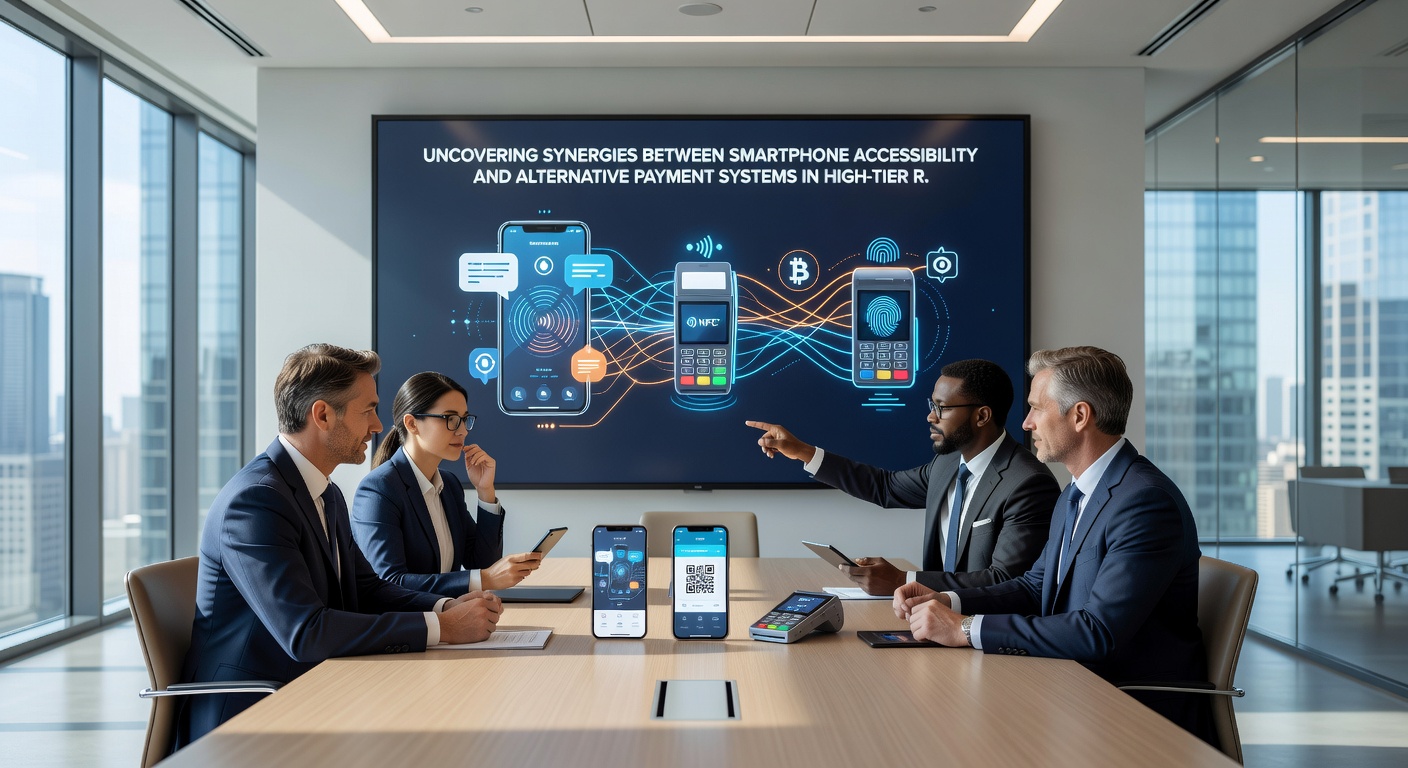
Security protocols embedded in both smartphone hardware and payment networks include multi-factor encryption and transaction monitoring that align with regulatory standards across multiple regions. High-tier participants gain access to dedicated account managers who coordinate reward redemptions through these same channels, ensuring that loyalty benefits convert into playable credits without intermediate steps. The synergy emerges because mobile accessibility provides the interface while alternative payments supply the transactional backbone, allowing reward schemes to scale dynamically based on user activity patterns.
Combined Effects on Dealer-Led Experiences
Dealer-led digital entertainment relies on real-time video streams that mobile networks now deliver with minimal latency, and alternative payments complement this by enabling in-game tipping or side-bet funding without exiting the session. Observers have noted instances where high-tier reward schemes incorporate mobile-exclusive challenges that pay out through cryptocurrency, creating closed-loop ecosystems that encourage continued participation. Regulatory updates anticipated in May 2026 across several North American and European jurisdictions are expected to formalize testing requirements for these integrated systems, focusing on transaction transparency and accessibility compliance.
Industry reports compiled by the European Gaming and Betting Association highlight that platforms with unified mobile and payment infrastructures achieve faster onboarding for new VIP members, since identity verification occurs once through smartphone biometrics and carries over to payment authorizations. Reward structures then leverage this single verification point to unlock escalating benefits, such as priority dealer selection or custom game variants, all funded through the alternative channel. This reduces fragmentation that previously separated accessibility tools from financial operations.
Future Trajectories Through Mid-2026
Projections based on current adoption curves suggest continued refinement of these synergies as smartphone manufacturers introduce enhanced near-field communication capabilities that interface directly with payment protocols. Dealer-led platforms stand to incorporate predictive analytics that anticipate reward eligibility based on mobile usage data, triggering automatic upgrades in tier status when payment activity meets predefined criteria. Data compiled through 2025 indicates steady growth in cross-border participation facilitated by borderless payment options, provided operators maintain adherence to evolving standards set for May 2026 implementation.
Conclusion
The interplay between smartphone accessibility features and alternative payment systems continues to influence the architecture of high-tier reward schemes in dealer-led digital entertainment. Evidence gathered from regulatory bodies and academic sources demonstrates measurable impacts on user retention and operational efficiency when these elements operate in tandem. As platforms prepare for anticipated regulatory shifts in May 2026, the documented patterns of integration provide a factual basis for understanding how mobile interfaces and payment innovations support reward mechanisms without introducing subjective projections.