Tracing Behavioral Shifts in Player Retention Linked to Verification Protocols Within Cross-Border Digital Table Environments
Drew Butler · Aug 21, 2026
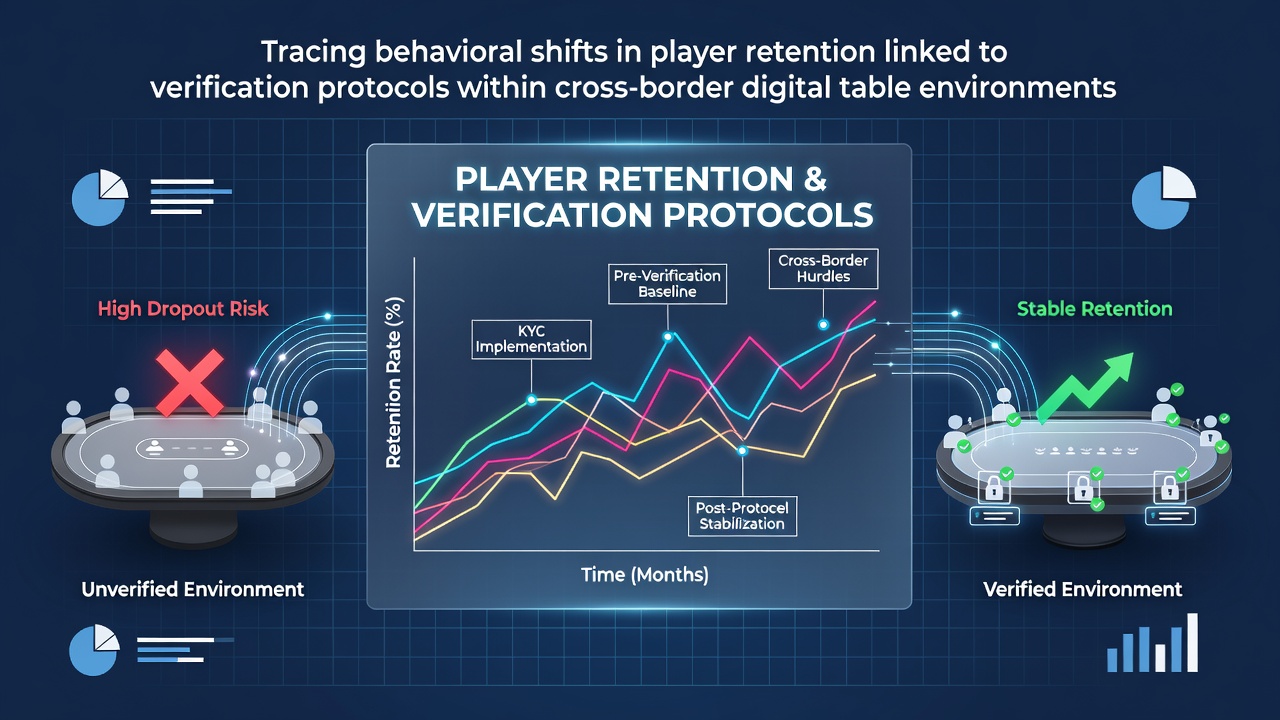
Tracing Behavioral Shifts in Player Retention Linked to Verification Protocols Within Cross-Border Digital Table Environments
Verification protocols in cross-border digital table environments have evolved rapidly since 2023, and data from multiple regulators show clear connections between these processes and changes in how long players stay active on live dealer platforms. Researchers track retention metrics through login frequency, session duration, and deposit patterns, while noting that stricter identity checks often trigger measurable drop-offs in user activity across borders.
Core Elements of Verification in Digital Table Settings
Digital table environments require players to submit government-issued identification, proof of address, and sometimes biometric data before accessing live dealer tables, and these steps create friction points that operators must balance against regulatory demands. Studies from the Alcohol and Gaming Commission of Ontario indicate that verification completion rates sit around 78 percent within the first 48 hours of account creation, yet retention among verified users rises by 14 percent compared to those who abandon midway through the process.
Cross-border players face additional layers because platforms must reconcile rules from different regions, and this often means repeated document submissions or delays when moving between licensed markets. Observers note that players from jurisdictions with lighter verification histories tend to show higher churn once full checks activate, whereas those accustomed to stringent banking rules complete the steps more readily and maintain consistent play volumes.
Retention Data Across Jurisdictions
Figures compiled in mid-2026 reveal that verification-related exits account for roughly 22 percent of all player departures in international table game segments, and this percentage climbs when platforms operate across three or more regulatory zones simultaneously. A report released by the Australian Communications and Media Authority in August 2026 documented similar patterns, showing that Australian users accessing overseas live dealer tables completed verification at lower rates than domestic-only players, with a corresponding 19 percent dip in monthly active users after the initial check.
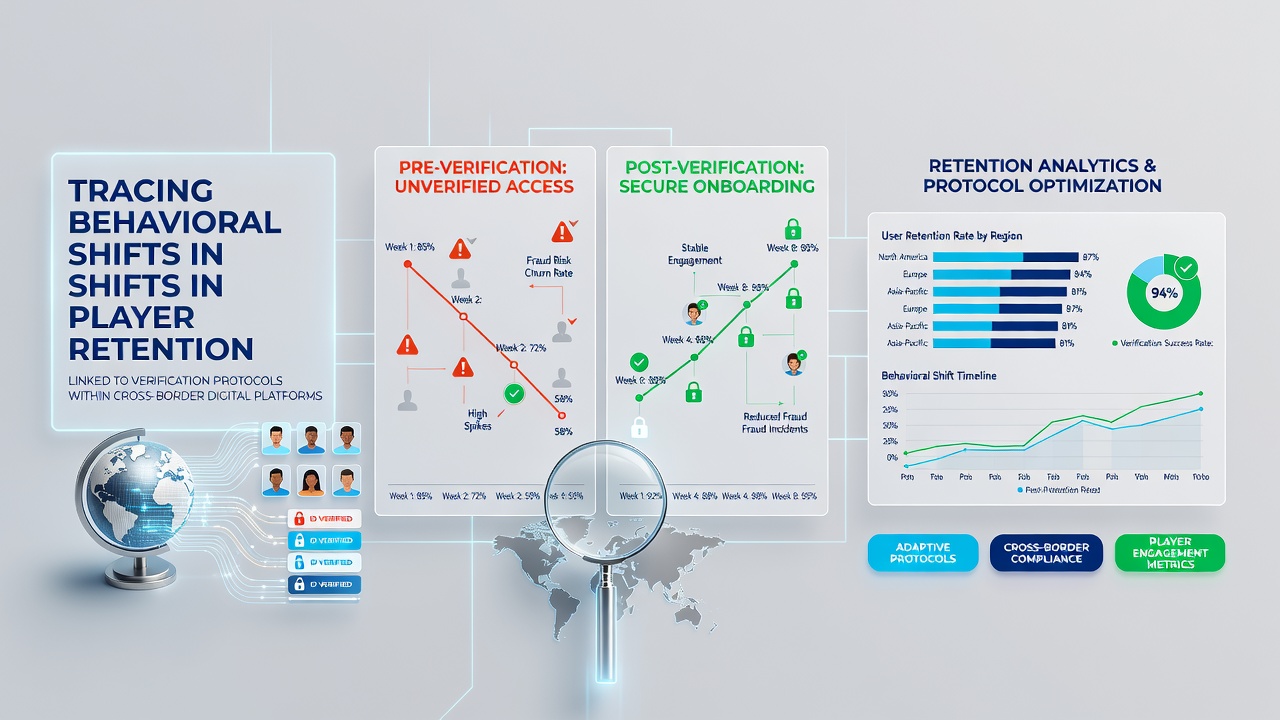
Behavioral tracking tools capture these shifts through heat maps of user journeys, and experts have observed that most exits occur between the document upload stage and final approval. Platforms that streamline this window with automated checks report shorter lag times and better retention numbers, while manual review processes correlate with longer delays and higher abandonment.
Regional Policy Influences on Player Behavior
Policy differences shape how verification affects retention, and players in the European Union often encounter harmonized standards that reduce repeat checks when switching platforms, whereas North American users navigating state-by-state rules see more fragmented experiences. Data shows that operators using unified verification databases across borders retain 11 percent more players over six months than those relying on separate regional systems.
One study from the University of Nevada, Las Vegas gaming research center examined transaction logs from 2024 through 2026 and found that verification fatigue manifests most clearly among players aged 25 to 34, who complete the process at lower rates but return faster once approved. Older cohorts display steadier completion but slower re-engagement after delays, highlighting age-linked behavioral variations in cross-border table environments.
Operational Adjustments and Their Effects
Operators have introduced tiered verification that unlocks basic table access after lighter checks and reserves high-stakes live dealer rooms for full approval, and early results indicate this approach preserves more initial engagement without violating compliance thresholds. Retention curves flatten when platforms communicate expected timelines upfront, reducing uncertainty that otherwise drives players toward less regulated alternatives.
Cross-border environments also contend with currency and language variables during verification, and these factors compound when players must provide documents in formats accepted by multiple regulators. Those who've analyzed platform logs report that multilingual support during the verification stage correlates with a 9 percent improvement in completion rates across tested markets.
Conclusion
Verification protocols continue to shape retention trajectories in cross-border digital table environments, and ongoing data collection from regulators and academic sources shows that timing, clarity, and regional coordination remain the primary variables. Platforms that refine these processes while meeting compliance obligations demonstrate measurable advantages in sustaining player activity across borders.