Shifting Patterns in User Interface Design That Influence Engagement Metrics Across Tokenized Interactive Table Platforms
Petra Schmitz · Aug 11, 2026
Shifting Patterns in User Interface Design That Influence Engagement Metrics Across Tokenized Interactive Table Platforms
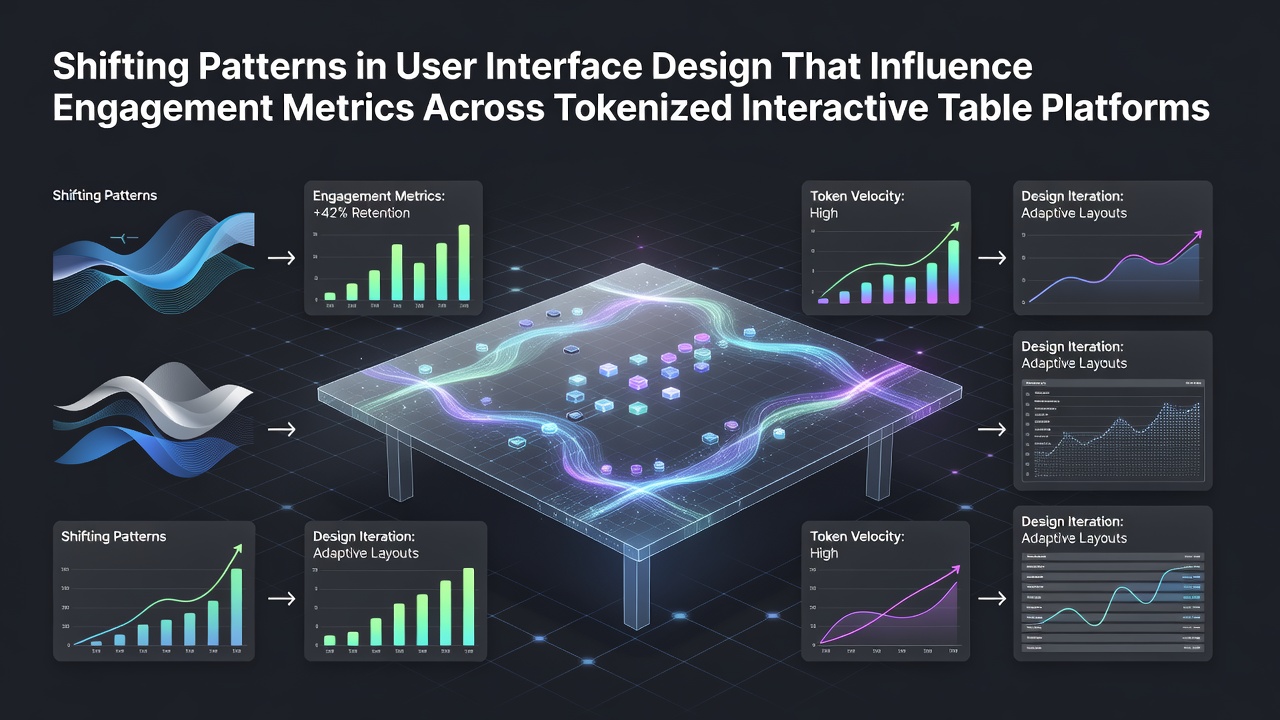
Designers across tokenized interactive table platforms have shifted focus toward modular interface components that respond dynamically to user interaction patterns, and these changes align with measurable shifts in session duration along with participation frequency according to industry tracking data released in 2025. Platforms now integrate real-time token balance displays directly into primary navigation areas while maintaining clear separation between game mechanics and asset management sections, which allows participants to monitor holdings without disrupting table flow.
Adaptive Layouts and Their Measured Effects
Research from multiple platform operators shows that interfaces employing fluid grid systems increase repeat engagement by adjusting element spacing based on device orientation and touch patterns, whereas static designs often result in higher exit rates during extended sessions. Token visualization tools, such as expandable asset panels that appear alongside table controls, contribute to sustained activity because users can execute transfers or view transaction histories in context without leaving the main view. Observers note that these patterns emerged prominently after blockchain integration standards stabilized across digital table environments in late 2024, and subsequent updates in August 2026 introduced predictive loading for token states that further reduced latency between actions.
Color Coding, Feedback Loops, and Retention Data
Color schemes that differentiate token types through distinct yet accessible palettes have demonstrated correlations with improved metric consistency, particularly in multi-player table settings where quick identification of assets matters. Interactive feedback mechanisms, including subtle animations that confirm transaction completions or highlight available moves, connect directly to higher completion rates in studies conducted by platform analytics teams. Those who analyzed user flows across several tokenized environments found that combining these visual cues with minimal text overlays keeps cognitive load low while supporting faster decision cycles during live table rounds.
Integration of Personalization Features
Personalization engines now draw from historical interaction data to rearrange toolbar priorities, and this approach has produced documented lifts in average session length when users encounter familiar control placements upon return visits. Platforms apply machine learning models to surface relevant token staking options or table variant selectors based on prior preferences, yet they maintain default states that preserve accessibility for new participants. Data compiled through cross-platform audits reveals that such targeted adjustments correlate with elevated return visit percentages, especially on mobile-optimized versions where screen real estate limits simultaneous element display.
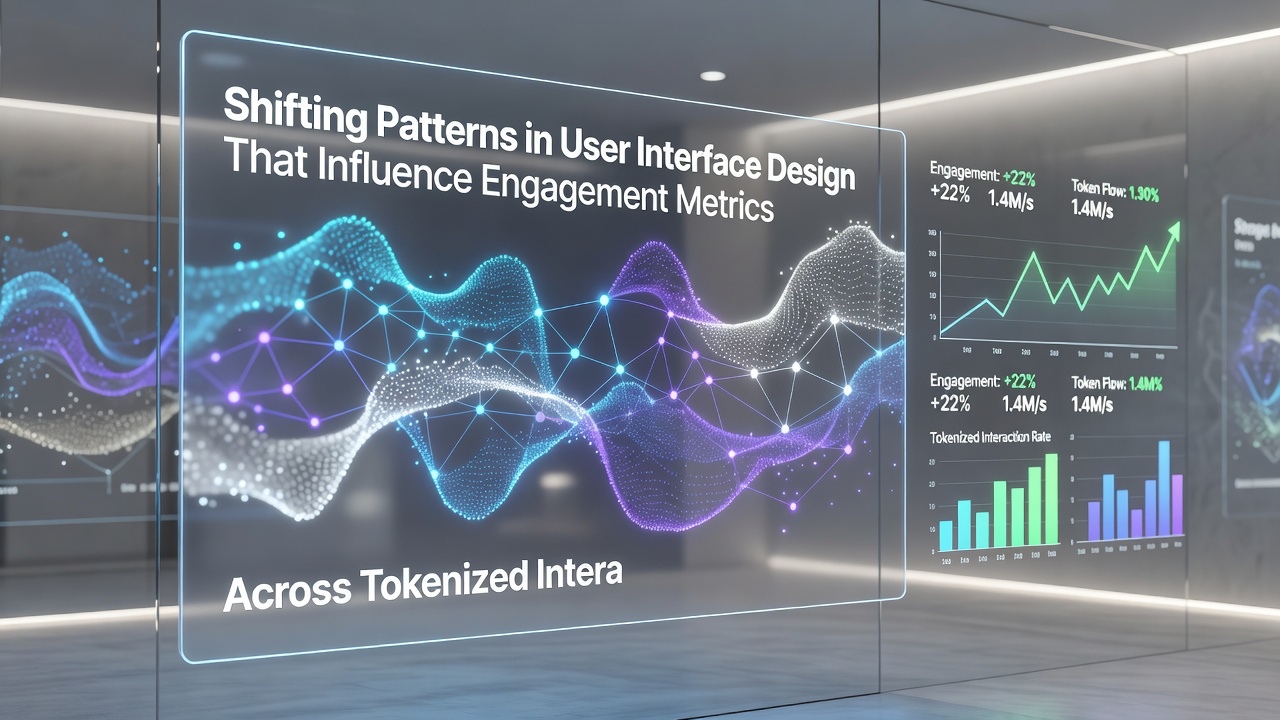
Navigation hierarchies that prioritize table state information above secondary wallet functions help maintain focus during active play, while still offering one-tap access to balance summaries when needed. Experts tracking these developments across North American and European operators report that consistent application of these hierarchies supports steadier engagement curves compared with fragmented menu structures. As of August 2026 several major platforms rolled out unified design systems that standardize iconography for common token operations, and early indicators suggest improved cross-device continuity as a result.
Accessibility Adjustments and Broader Participation Trends
Accessibility enhancements, such as scalable text options and high-contrast modes that adapt to system preferences, have expanded reach without compromising core engagement metrics according to reports from the Interactive Gaming Council. Token platforms that embed these features at the interface layer rather than as afterthought toggles show steadier growth in diverse user segments. Researchers examining participation rates across Asia-Pacific markets observed similar patterns when localized language support combined with adaptive contrast settings reduced barriers for non-native speakers.
Gesture-based controls paired with visual token indicators allow quicker interactions on touch devices, and quantitative reviews link these controls to reduced abandonment during high-stakes table sequences. Platform teams continue refining these elements through iterative testing cycles that measure both immediate click-through improvements and longer-term retention statistics.
Conclusion
Shifting patterns in user interface design continue to shape engagement metrics on tokenized interactive table platforms through responsive layouts, integrated token displays, and personalized feedback systems. Evidence from operational data and cross-regional analyses demonstrates measurable connections between these design choices and sustained user activity. As platforms evolve further in 2026 and beyond, continued observation of these interface developments will clarify additional influences on participation and retention across the sector.