Safety Protocols Influencing Elite Reward Structures in Smartphone Gaming with Virtual Currencies
Petra Schmitz · Jul 26, 2026
Safety Protocols Influencing Elite Reward Structures in Smartphone Gaming with Virtual Currencies
Smartphone gaming platforms that incorporate virtual currencies have expanded rapidly since the early 2020s, with developers implementing layered safety protocols to protect user accounts and transaction integrity while maintaining access to premium reward tiers for dedicated players. These measures range from multi-factor authentication systems to real-time fraud detection algorithms that scan for irregular spending patterns in virtual currency exchanges. Observers note that such protocols directly shape how elite reward systems operate because high-value participants must navigate verification steps before unlocking exclusive in-game benefits or currency bonuses.
Core Safety Measures in Mobile Gaming Environments
Encryption standards applied to virtual currency wallets on mobile devices follow guidelines established by industry bodies, which require AES-256 protocols during both storage and transmission phases. Developers integrate these with device-level biometrics so that players attempting to redeem elite rewards complete additional checks that reduce unauthorized access incidents. Data from regulatory updates scheduled for July 2026 indicate that several platforms will introduce mandatory session timeouts combined with anomaly-based alerts, a change expected to affect reward redemption speeds for top-tier users who frequently switch between multiple devices.
Account recovery processes have also tightened, with many studios requiring linked email verification plus secondary device confirmation before restoring access to accumulated virtual currency balances. Those who study user behavior patterns report that these steps prevent most account takeovers yet sometimes delay reward claims during peak play periods when elite participants seek instant access to limited-time bonuses.
How Verification Layers Affect High-Tier Rewards
Elite reward systems typically grant accelerated currency earning rates, exclusive item drops, and priority support channels to players who maintain consistent spending and engagement levels. Safety protocols influence these structures because platforms tie reward eligibility to verified identity markers and transaction histories that flag potential money laundering or bot activity. Researchers at academic institutions have documented cases where players with suddenly elevated virtual currency inflows faced temporary reward suspensions until manual reviews cleared their accounts, illustrating the direct link between security checks and continued access to premium benefits.
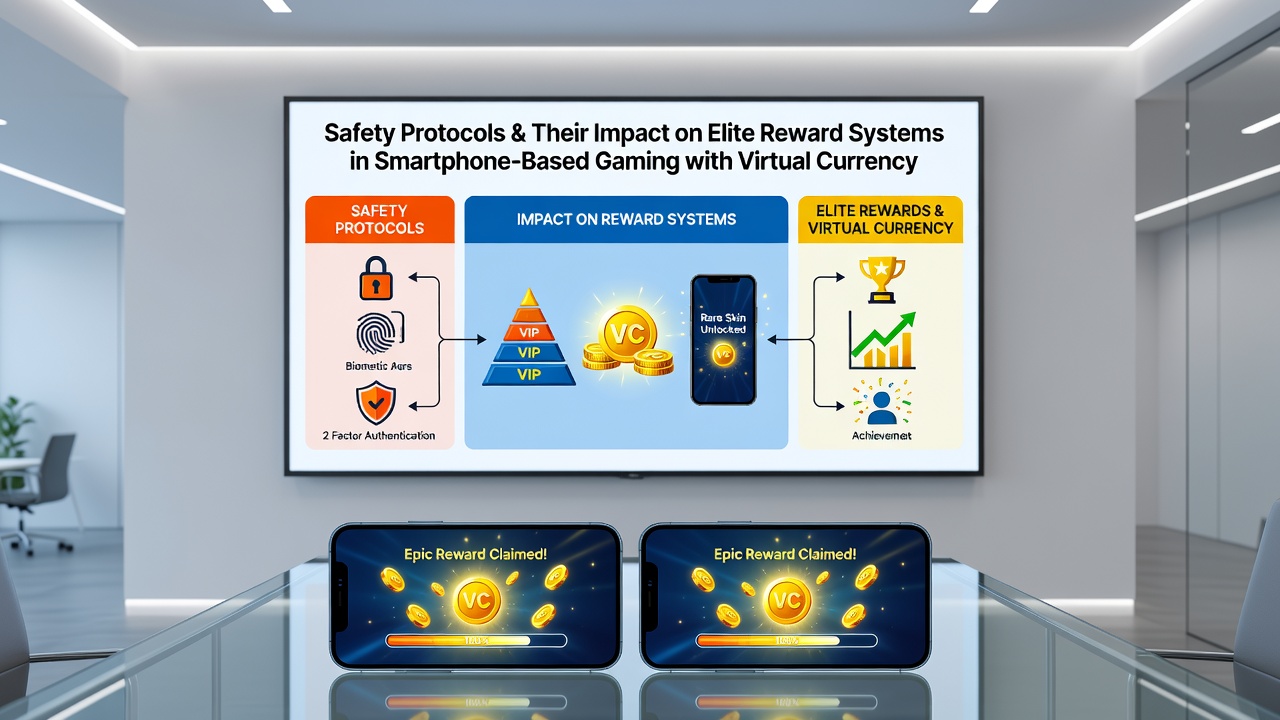
Cross-platform synchronization presents another area where safety rules intersect with rewards. Games that allow currency transfers between smartphone and console versions must apply unified authentication tokens, which prevents duplicate claims yet adds friction for users who maintain separate elite status on different ecosystems. According to findings published by the Federal Trade Commission, coordinated security frameworks have lowered reported fraud cases involving virtual item theft by approximately 18 percent across monitored titles in recent tracking periods.
Regional Regulatory Developments and Platform Responses
Authorities in multiple jurisdictions have begun aligning mobile gaming oversight with broader digital asset rules, prompting studios to adjust how they calculate and distribute elite rewards. In Canada, for instance, the Innovation, Science and Economic Development Canada has highlighted the need for transparent audit trails on virtual currency flows, which several major developers now incorporate into their reward algorithms to demonstrate compliance. These adjustments mean that players reaching elite thresholds must often provide additional documentation during periodic reviews, a requirement that extends processing times but strengthens overall system trust.
Platform operators respond by embedding compliance features directly into reward dashboards, allowing high-tier users to view their verification status alongside progress meters. This integration keeps reward distribution efficient while satisfying external scrutiny, and data collected through these systems helps refine detection models that flag suspicious activity before it impacts legitimate elite accounts.
Future Adjustments Expected by Mid-2026
Upcoming certification benchmarks set for July 2026 will likely require enhanced logging of virtual currency movements tied to reward redemptions, a step that could standardize how platforms verify elite status across regions. Studios already testing these protocols report smoother reward handoffs once initial setup completes, because automated systems handle most routine checks without human intervention. Players who participate in early pilot programs note that the added layers become routine after the first few interactions, allowing continued focus on gameplay rather than administrative hurdles.
Conclusion
Safety protocols continue to evolve alongside elite reward mechanisms in smartphone gaming that uses virtual currencies, creating structured pathways that balance protection with player progression. As new standards roll out through 2026, platforms that maintain clear verification flows while preserving reward accessibility stand to sustain both user trust and engagement at the highest tiers. The interplay between these elements shapes daily experiences for dedicated participants who rely on secure systems to access the full range of benefits tied to their investment and playtime.