Mapping the Influence of Regional Policy Changes on the Development of Interactive Card Game Variants in Licensed Digital Spaces
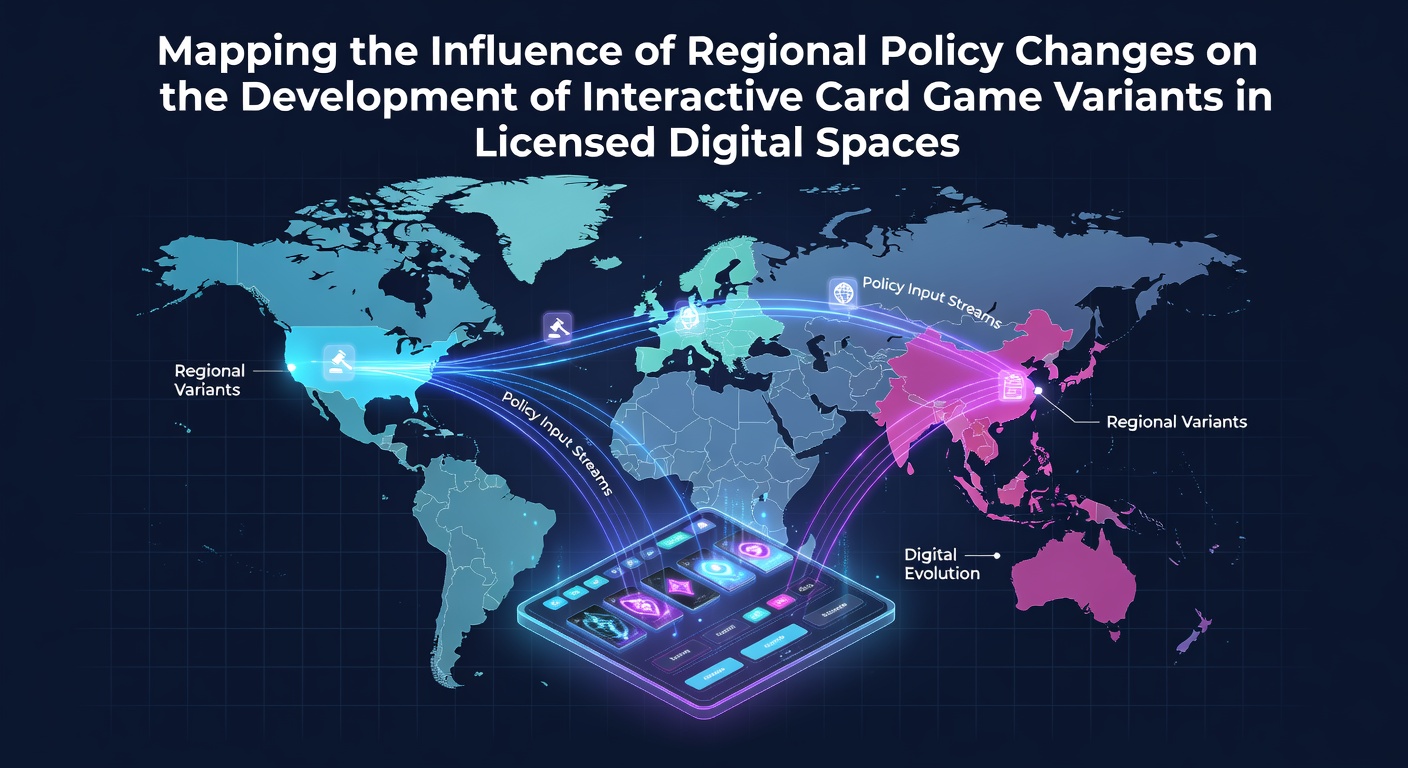
Regional policy shifts have long directed how interactive card game variants evolve inside licensed digital environments, with regulatory adjustments in taxation, player protections, and licensing requirements prompting developers to modify mechanics such as deck randomization protocols, betting structures, and multi-player interfaces. Data from state gaming agencies shows that these changes often lead to the creation of region-specific adaptations where core rules remain intact while compliance layers integrate new features like real-time identity verification or capped session durations.
United States State-Level Variations Drive Mechanic Adjustments
Policy differences across American states continue to produce distinct card game formats in licensed online spaces, as operators must align with local statutes on game fairness and revenue reporting. In New Jersey the Division of Gaming Enforcement updated its technical standards in early 2025, requiring enhanced audit trails for shuffle algorithms, which in turn encouraged studios to release variants featuring verifiable random number sequences tied to blockchain ledgers. Similar patterns appear in Pennsylvania where revenue allocation rules effective through mid-2026 have prompted the addition of progressive jackpot elements that automatically distribute portions to state funds without altering standard poker hand rankings.
Observers note that these state-specific mandates create parallel development tracks, allowing the same underlying game engine to support multiple regulatory profiles through modular code updates. Figures released by the National Conference of State Legislatures indicate that twelve states expanded digital card offerings between 2024 and 2026, each introducing unique constraints that directly influenced variant design choices such as reduced deck sizes or added community card phases.
European Regulatory Frameworks Encourage Privacy-First Designs
Across the European Union, updates to digital service and data protection rules have steered interactive card platforms toward variants that minimize personal data collection while preserving competitive integrity. Licensing bodies in Malta and Gibraltar have incorporated requirements for anonymized gameplay logs, leading developers to implement temporary session tokens that expire after each hand rather than storing full player histories. These adjustments, documented in industry compliance reports from the European Gaming and Betting Association, have produced hybrid game modes where participants engage through avatar systems that still enforce standard betting and ranking protocols.
What's interesting is how these privacy measures intersect with cross-border licensing agreements, allowing operators to maintain consistent core rules while toggling jurisdiction-specific overlays. Research compiled by academic centers studying gambling technology shows that such adaptations increased the deployment of encrypted table interfaces by 28 percent between 2023 and 2025, particularly in variants derived from traditional blackjack and baccarat formats.
Asia-Pacific Licensing Shifts and June 2026 Implementation Timelines
Policy developments in the Asia-Pacific region illustrate further connections between regulatory timelines and game variant evolution. In June 2026 several Australian states are scheduled to enforce updated responsible gambling codes that mandate pre-commitment spending limits within digital card environments. Licensed operators have already begun testing variants that display dynamic limit indicators integrated into the betting interface, ensuring compliance without interrupting standard card dealing sequences. Parallel moves in Canadian provinces have introduced similar requirements for real-time expenditure tracking, prompting the inclusion of visual dashboards that update after each round while preserving classic poker or rummy structures.
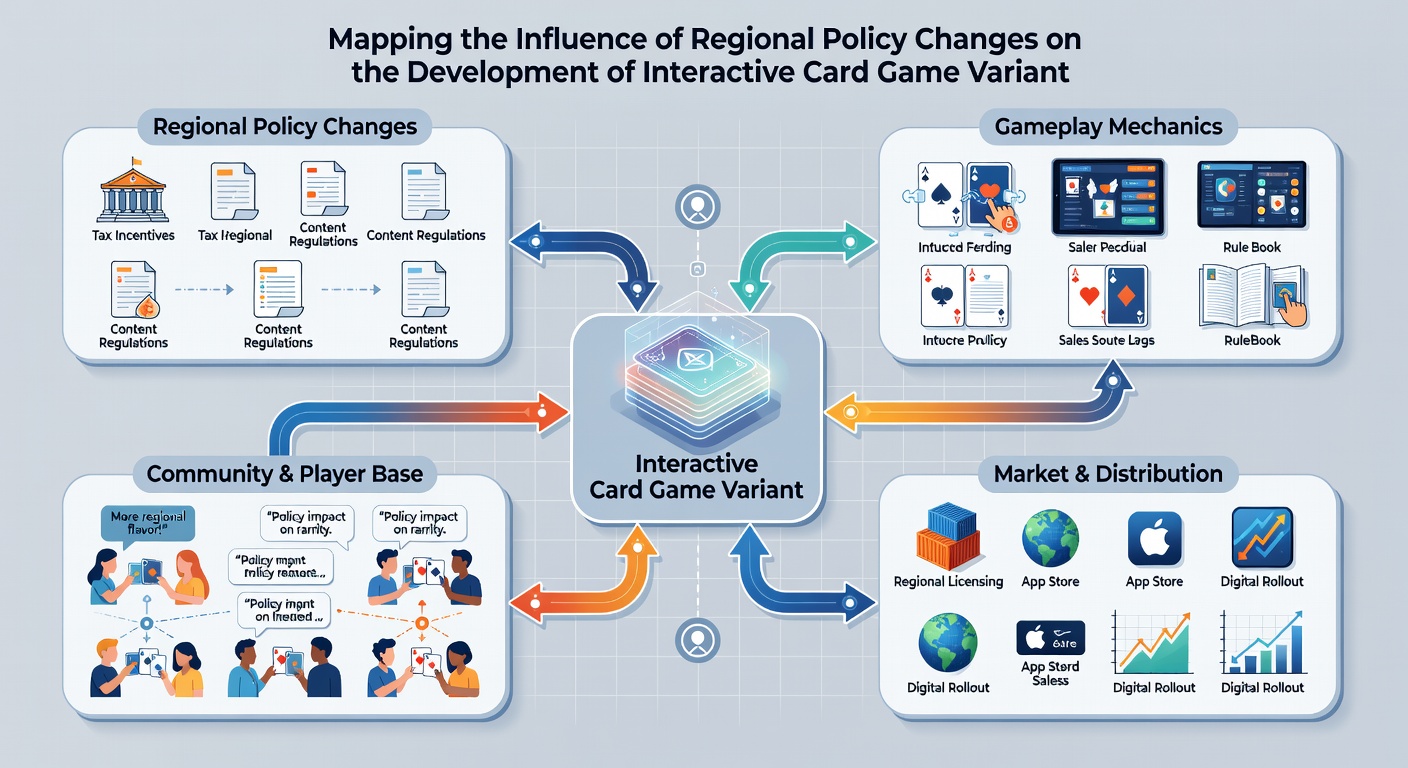
Those who have tracked these timelines observe that synchronized regulatory deadlines accelerate shared technology solutions across multiple markets. Government data from the Australian Communications and Media Authority reveals that platforms preparing for the June 2026 rollout have prioritized modular code architectures, allowing rapid insertion of compliance tools into existing card game libraries.
Industry Responses and Technology Integration Patterns
Developers respond to these regional directives by building flexible engines that accommodate varying policy stacks through configuration files rather than complete rewrites. This approach has produced card game variants that retain recognizable rulesets while embedding jurisdiction-specific safeguards such as automated pause functions or enhanced responsible play prompts. Trade association surveys indicate that studios allocating resources toward modular design report faster certification cycles, particularly when adapting established titles like Texas Hold'em or Three Card Poker for new markets.
But here's the thing: the cumulative effect of these policy layers has also encouraged experimentation with supplementary features that address multiple regulatory concerns simultaneously. Examples include in-game tutorials that double as player education modules required by several jurisdictions, or automated dealer scripts that enforce both fairness standards and session time limits. Such integrations demonstrate how overlapping regional requirements can converge into unified technical solutions that serve broader licensed digital spaces.
Conclusion
Regional policy changes continue to map directly onto the trajectory of interactive card game development within licensed digital spaces, producing variants that balance regulatory compliance with recognizable gameplay traditions. Evidence from regulatory filings and technology adoption reports underscores the ongoing relationship between legislative updates and the technical refinements that keep these platforms operational across diverse jurisdictions. As implementation dates like June 2026 approach, the pattern of adaptive variant creation is expected to persist, driven by the need to satisfy distinct local frameworks while maintaining consistent player experiences.