Mapping Loyalty Incentives to Live Table Dynamics Across Varied Transaction Networks in Digital Gaming Spaces
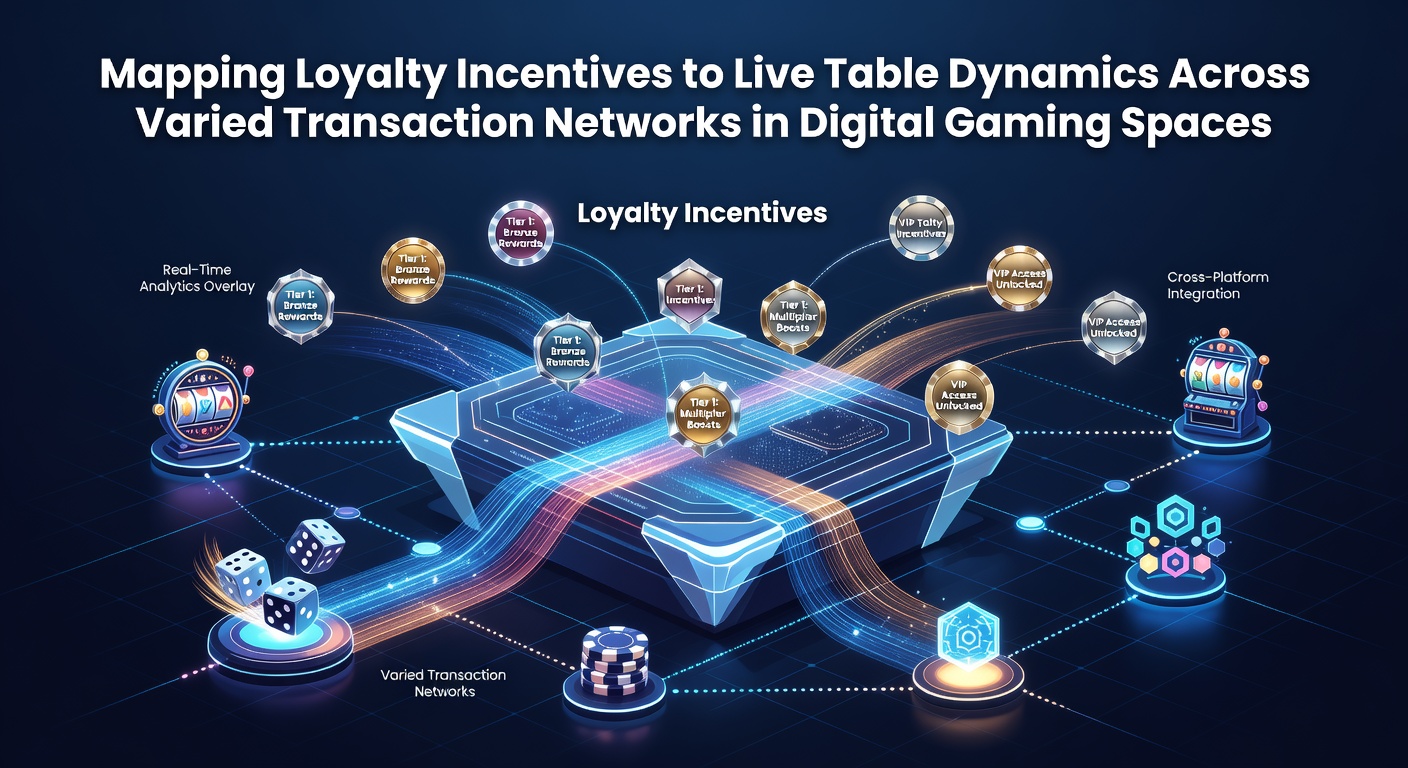
Digital gaming platforms integrate loyalty programs directly into live table environments by tracking player activity across multiple payment rails and converting those metrics into tiered rewards, and this process has grown more layered as operators manage everything from traditional card networks to blockchain-based settlements in a single session.
Core Components of Incentive Mapping
Operators define mapping rules that link real-time table actions such as bet frequency, average wager size, and session duration to point accrual rates, while the underlying transaction network determines settlement speed and available reward redemption options. Research from the American Gaming Association shows that systems handling high-volume crypto rails often award bonus multipliers within minutes of a completed hand, whereas fiat card networks typically batch updates at the end of each shift.
Live table software records every chip movement and routes the data through an API layer that applies network-specific coefficients, so a player using an instant stablecoin transfer might receive double the loyalty points compared with someone funding the same table through a standard e-wallet that processes overnight.
Transaction Network Variations and Their Impact
Payment networks differ in latency, fee structure, and regulatory reporting requirements, and these differences directly shape how loyalty engines calculate progress toward cashback, free plays, or VIP event invitations. Data compiled by the European Gaming and Betting Association in early 2026 indicates that platforms supporting multiple rails saw a 27 percent rise in cross-network loyalty redemptions between January and April, largely because players could switch mid-session without losing accrued status.
Blockchain rails allow granular tracking of each micro-transaction, which lets operators apply dynamic multipliers based on current table occupancy, whereas legacy card processors limit such adjustments to fixed hourly intervals because batch processing creates reporting lags. Observers note that this creates visible differences in player retention curves across networks, with faster-settling options maintaining steadier engagement at the tables.
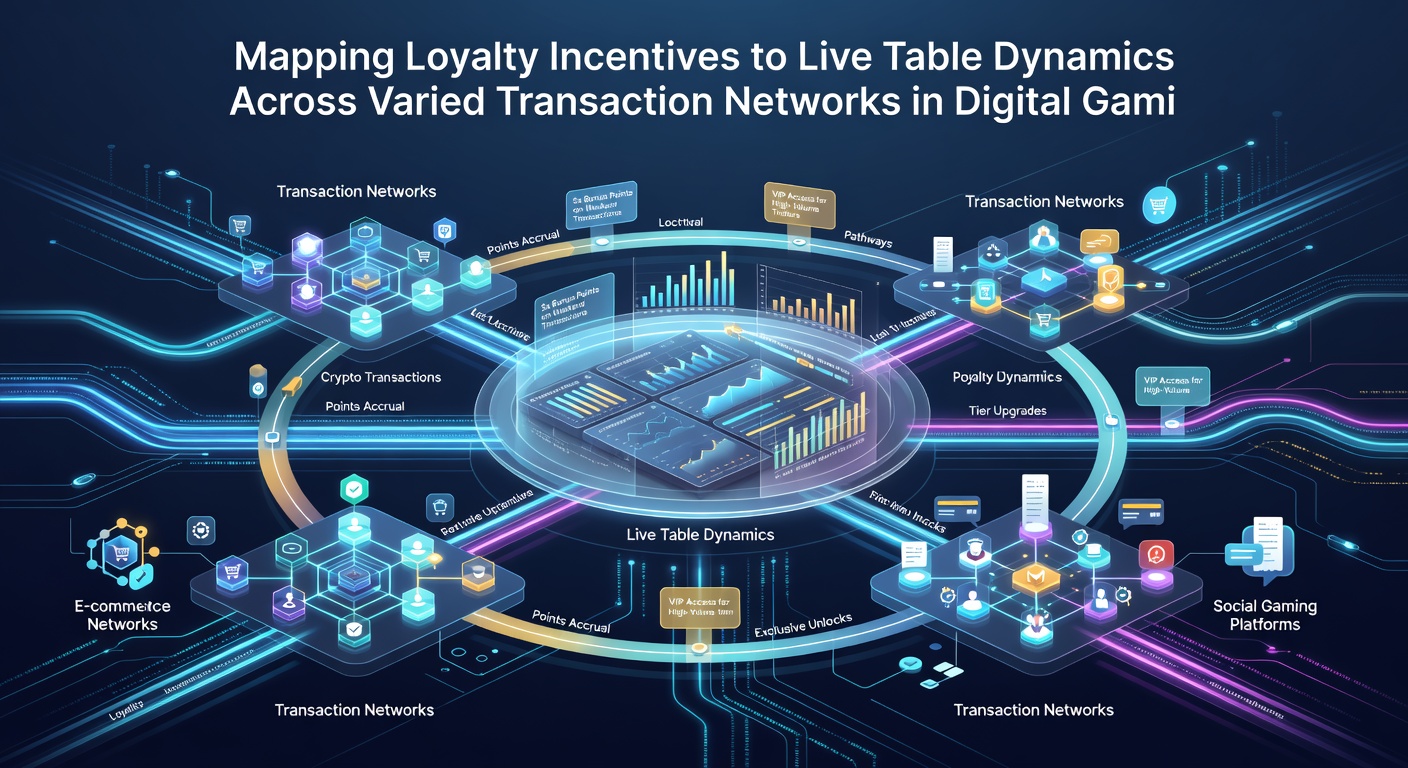
Live Table Dynamics and Real-Time Adjustments
Dealers and floor supervisors in physical casinos have long adjusted comps based on visible play patterns, yet digital environments extend that logic through automated algorithms that monitor every seat in real time. When a table fills quickly, the system can automatically increase loyalty accrual rates for remaining open seats to encourage continued participation, and the chosen transaction network influences how quickly those increased rates appear in the player interface.
Studies from the University of Nevada, Las Vegas International Gaming Institute reveal that tables using multi-rail support maintain higher average session lengths because loyalty prompts can be issued instantly across all connected payment types, while single-network tables experience more pronounced drop-off once initial bonuses are exhausted.
Regulatory Context in Mid-2026
By May 2026 several North American and Australian jurisdictions had updated reporting standards that require operators to disclose how loyalty calculations vary by transaction rail, and these rules prompted many platforms to publish clearer mapping tables for players. The changes aim to reduce disputes over point allocation when users switch between networks during extended live sessions, and early compliance filings show most major operators already segment their reporting by rail type to satisfy the new transparency measures.
Implementation Challenges and Technical Solutions
Integrating disparate payment ledgers into one loyalty engine demands robust reconciliation protocols, because each network carries its own timestamp formats, fee deductions, and confirmation thresholds. Developers address these issues through middleware layers that normalize data before it reaches the central rewards database, allowing consistent point awards regardless of whether a player funds through a domestic bank transfer or an offshore digital asset gateway.
Testing conducted by several large operators in 2025 demonstrated that unified mapping reduced player support tickets related to missing loyalty credits by roughly 40 percent, and those gains have carried into 2026 as more platforms adopt the same architecture.
Conclusion
The mapping of loyalty incentives onto live table activity across varied transaction networks continues to evolve as operators refine their data pipelines and regulators tighten disclosure rules, and the result is a more transparent environment where players can see exactly how their chosen payment method influences reward accumulation at the tables. Continued technical standardization will likely determine how quickly these systems expand into additional gaming verticals while maintaining consistent player experiences.