Linking Tiered Player Clubs to Rapid Settlement Channels in Portable Reel and Table Simulations
Petra Schmitz · Aug 14, 2026
Linking Tiered Player Clubs to Rapid Settlement Channels in Portable Reel and Table Simulations
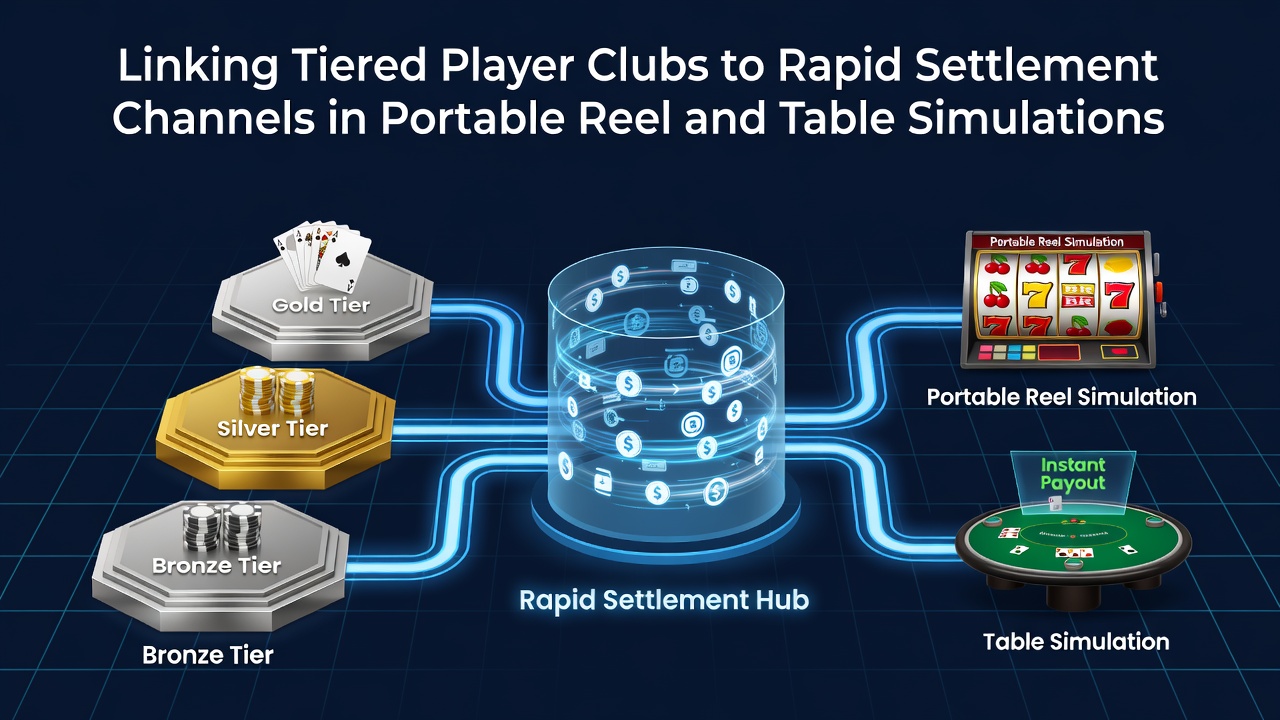
Portable reel and table simulations on mobile devices have incorporated tiered player clubs that connect directly to settlement channels designed for quicker processing times. These systems allow participants in higher loyalty levels to access accelerated fund transfers after completing game sessions in slots and dealer-led table formats. Data from industry monitoring groups shows that integration between club tiers and payment rails occurs through application programming interfaces that verify player status in real time before initiating transfers.
Structure of Tiered Player Clubs in Mobile Environments
Operators organize player clubs into multiple levels based on activity metrics such as total wagers placed and frequency of sessions across reel simulations and table variants. Entry-level tiers typically grant standard processing windows while elevated tiers unlock priority routing through settlement providers that support instant or near-instant confirmations. Observers note that eligibility criteria often include minimum deposit volumes tracked automatically within the portable application environment.
Research conducted by academic teams at institutions studying digital entertainment economics indicates that participants who reach mid-tier status experience measurable reductions in average settlement duration compared with base-level accounts. These reductions stem from pre-approved verification steps that eliminate repeated identity checks during each withdrawal request.
Settlement Channel Integration Mechanisms
Rapid settlement channels rely on connections between loyalty databases and financial rails including electronic wallets and blockchain-based transfer systems. When a player completes a session in a portable reel simulation the system checks club tier status and routes the request accordingly. Table simulations follow similar pathways yet incorporate additional verification layers for live dealer interactions that occur in real time.
Figures released in August 2026 by regional gaming authorities in North America documented increased adoption of tier-linked settlement features across licensed mobile platforms. The report highlighted that platforms using these connections processed higher volumes of transactions within shortened timeframes without corresponding increases in dispute rates.
Technical Implementation Across Reel and Table Formats
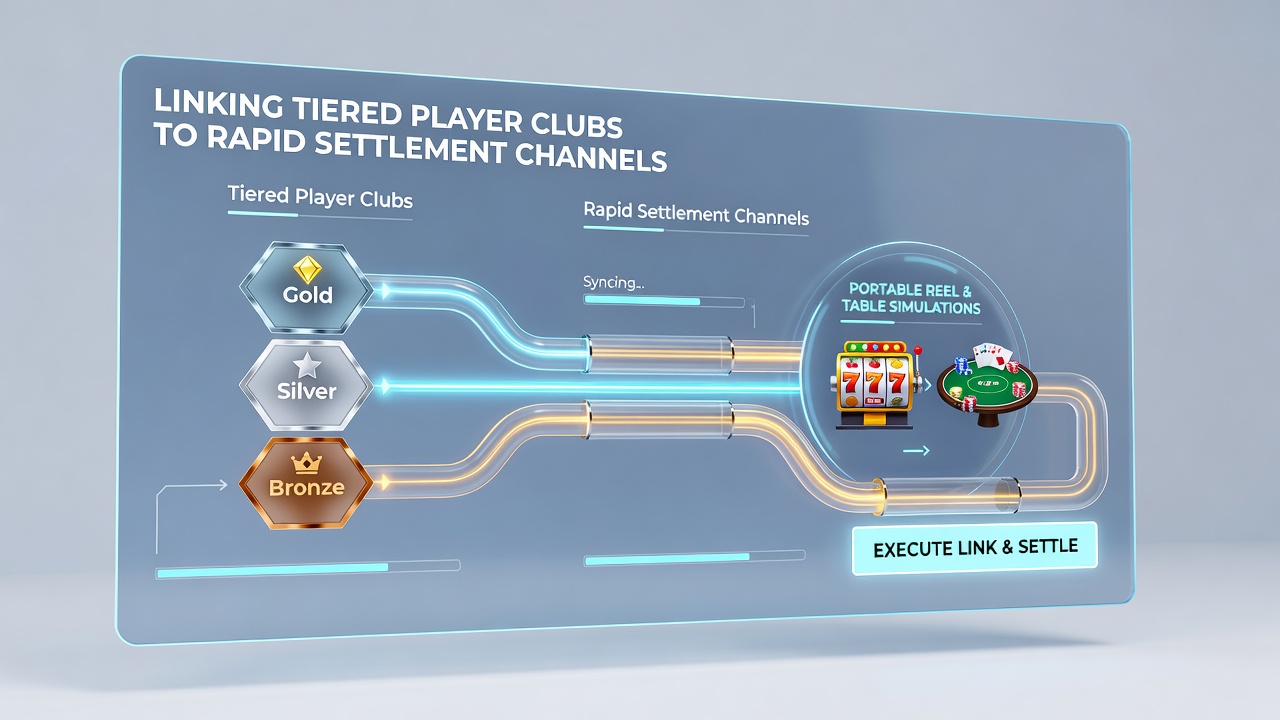
Reel simulations utilize simplified transaction flows because outcomes generate automatically without live human oversight. Tiered clubs link to settlement channels that prioritize these automated results for faster crediting once the session ends. Table simulations require synchronization with dealer session logs which adds a verification step yet still benefits from tier-based priority queuing that reduces overall wait periods.
Industry organizations such as the International Association of Gaming Regulators have published guidelines that address how loyalty data interfaces with payment processors in mobile settings. Those guidelines emphasize secure data exchange protocols that maintain separation between player activity records and financial settlement streams.
Regional Developments and Reporting Standards
Canadian provincial regulators updated their reporting requirements in mid-2026 to include metrics on tier-linked settlement performance for handheld gaming applications. The changes require operators to disclose average processing intervals segmented by club level and game type. Similar patterns appear in Australian state-level oversight documents that track mobile platform compliance with settlement speed standards tied to loyalty structures.
One analysis from a European research consortium examined participation rates in tiered programs and found that users of portable table simulations reached higher tiers at rates comparable to those engaged primarily with reel formats. The study attributed this parity to unified tracking systems that aggregate activity across both categories within single mobile applications.
Security and Verification Protocols
Security measures embedded in these integrated systems include multi-factor authentication that activates automatically when settlement requests exceed certain thresholds. Higher-tier participants often receive streamlined verification because prior activity has already satisfied baseline checks. This approach reduces redundant steps while preserving compliance with licensing conditions set by regulatory bodies.
Operators report that the combination of tier status and rapid channels has led to fewer abandoned withdrawal attempts in both reel and table simulation environments. The reduction occurs because players at elevated levels encounter fewer friction points during the final transfer stage.
Conclusion
Connections between tiered player clubs and rapid settlement channels continue to evolve within portable reel and table simulations. Regulatory updates from multiple jurisdictions including those documented in August 2026 provide ongoing data on processing performance across loyalty levels. Technical integrations rely on secure interfaces that differentiate between automated reel outcomes and live table session records while maintaining consistent settlement priorities for qualifying participants.