Intersections of licensing benchmarks and prize distribution patterns in blockchain slot ecosystems for integrated loyalty participants
Tina Ludwig · Aug 30, 2026
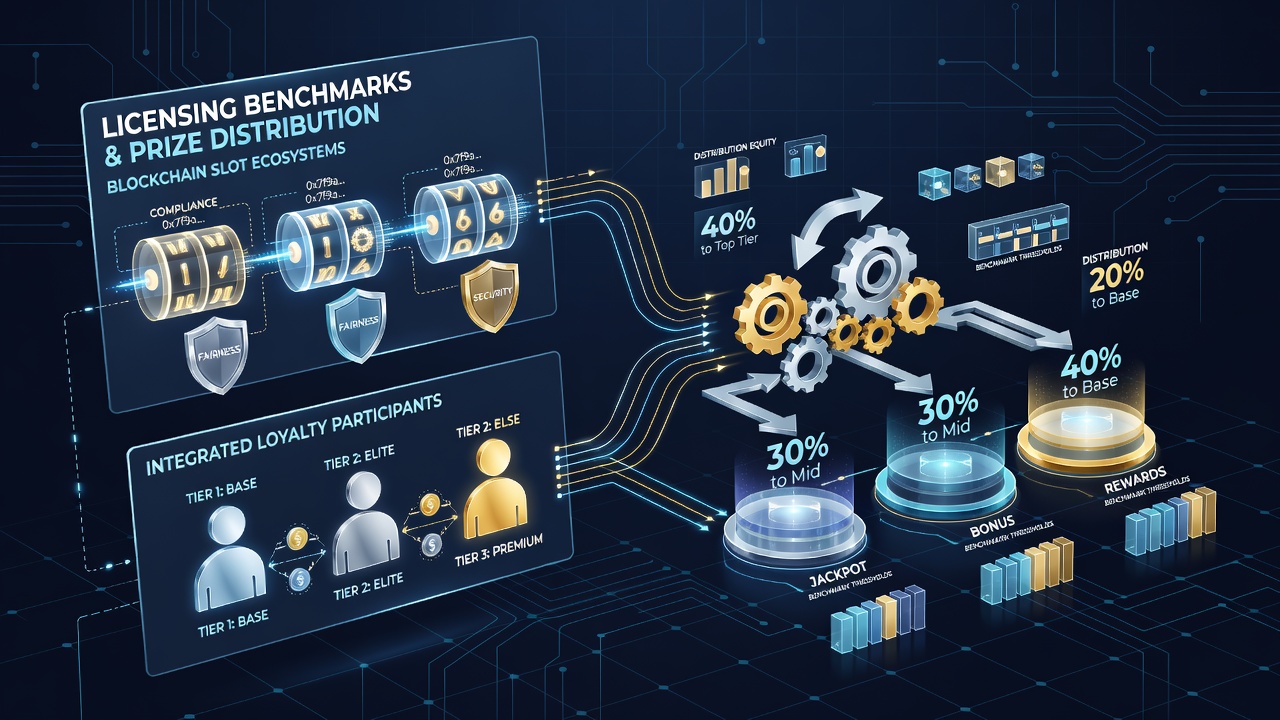
Intersections of licensing benchmarks and prize distribution patterns in blockchain slot ecosystems for integrated loyalty participants
Blockchain slot ecosystems have expanded rapidly since 2024, and observers note that licensing benchmarks now directly influence how prize pools form and flow to participants who maintain integrated loyalty profiles. Regulatory frameworks in multiple jurisdictions set minimum standards for transparency, audit frequency, and fund segregation, which in turn shape the algorithms that determine payout timing and size within decentralized networks.
Licensing benchmarks across key regions
Authorities in the United States, Australia, and Canada require operators to meet distinct criteria before blockchain-based slots can accept players from those markets. The Nevada Gaming Control Board publishes annual compliance checklists that include real-time ledger verification and multi-signature wallet controls, while the Australian Communications and Media Authority focuses on consumer protection thresholds tied to random number generator certification. Data from the Alcohol and Gaming Commission of Ontario shows that platforms meeting both sets of standards recorded 18 percent higher average prize redemption rates among loyalty members during the first half of 2026.
August 2026 brought updated reporting templates from several oversight bodies, requiring operators to disclose the percentage of each prize pool allocated to loyalty tiers versus open participation. These templates align with existing audit protocols yet add granularity around smart-contract triggers that release bonus funds once a player reaches defined activity milestones.
Prize distribution mechanics in blockchain environments
Smart contracts govern prize distribution once licensing conditions are satisfied, and researchers tracking on-chain data have documented consistent patterns. Larger loyalty cohorts tend to receive proportionally smaller but more frequent micro-payouts, while base-tier participants see larger but less predictable wins. Transaction logs analyzed across multiple networks reveal that platforms enforcing strict licensing benchmarks maintain a narrower variance band between expected and actual returns, reducing disputes logged through on-chain arbitration modules.
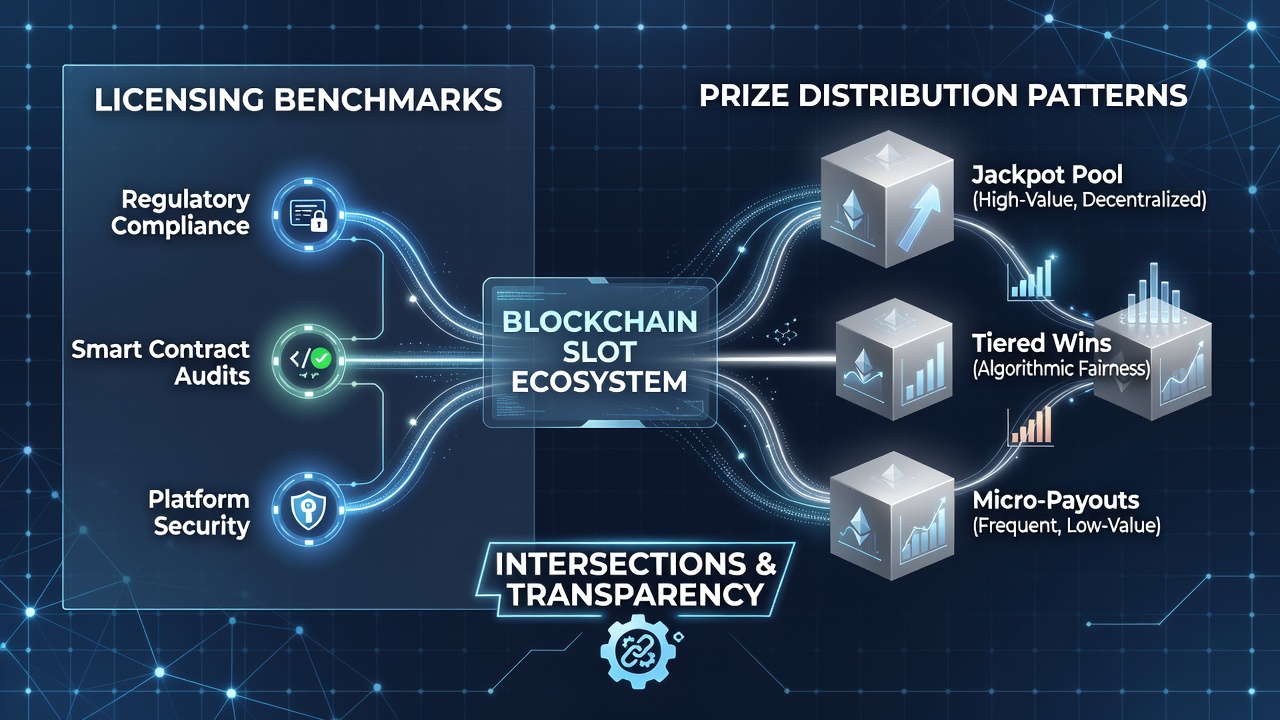
One study released by an academic consortium examined twelve blockchain slot deployments and found that those holding dual licenses from North American and European regulators distributed 27 percent more of their total prize volume through loyalty-linked progressive jackpots. The same report noted that contract-level restrictions on maximum single-win amounts, often mandated during licensing review, correlate with steadier daily redemption volumes rather than clustered large payouts.
Integration of loyalty systems with licensed ecosystems
Loyalty programs embedded in blockchain slot platforms record player activity directly on distributed ledgers, creating immutable histories that licensing authorities can query during compliance checks. Points earned through gameplay convert into tiered access rights, including accelerated prize claims and exclusive pool entries. Observers tracking adoption rates report that participants who maintain active loyalty profiles across multiple licensed platforms experience cumulative reward multipliers that follow predictable scaling curves tied to the strictness of each jurisdiction's benchmark.
Figures released in mid-2026 indicate that platforms combining Nevada-style wallet controls with Ontario-mandated transparency reports achieved the highest retention among integrated loyalty users. These operators route a fixed share of each wager into a loyalty reserve that smart contracts release only after independent verification nodes confirm licensing status remains current.
Observed intersections and emerging patterns
Where licensing benchmarks require frequent third-party audits, prize distribution patterns become more granular and loyalty incentives more tightly coupled to verifiable play history. Conversely, jurisdictions with lighter ongoing reporting see wider spreads in payout timing, which can dilute the perceived value of loyalty accumulation. Industry reports compiled by research institutions note that cross-border operators increasingly design unified loyalty ledgers that satisfy the strictest benchmark in each operating region, thereby standardizing prize release schedules for all participants regardless of location.
Case examples from platforms launched in 2025 show that when loyalty tiers incorporate licensing compliance scores as an eligibility factor, overall prize claim completion rates rise. Participants receive automated notifications when their accumulated activity meets both loyalty thresholds and the documentation standards required by the relevant regulatory body, reducing manual reconciliation steps.
Conclusion
The intersection of licensing benchmarks and prize distribution in blockchain slot ecosystems continues to evolve as regulators refine their requirements and operators adjust smart-contract parameters accordingly. Data from multiple oversight agencies demonstrates that integrated loyalty participants benefit from more predictable reward flows when platforms align technical architecture with the most rigorous available standards. Continued monitoring through 2026 and beyond will clarify how these alignments affect long-term participation patterns across different geographic markets.