How verification benchmarks align participation trends with tiered incentives across portable platforms offering blockchain-linked funding options for dealer sessions and reel activities
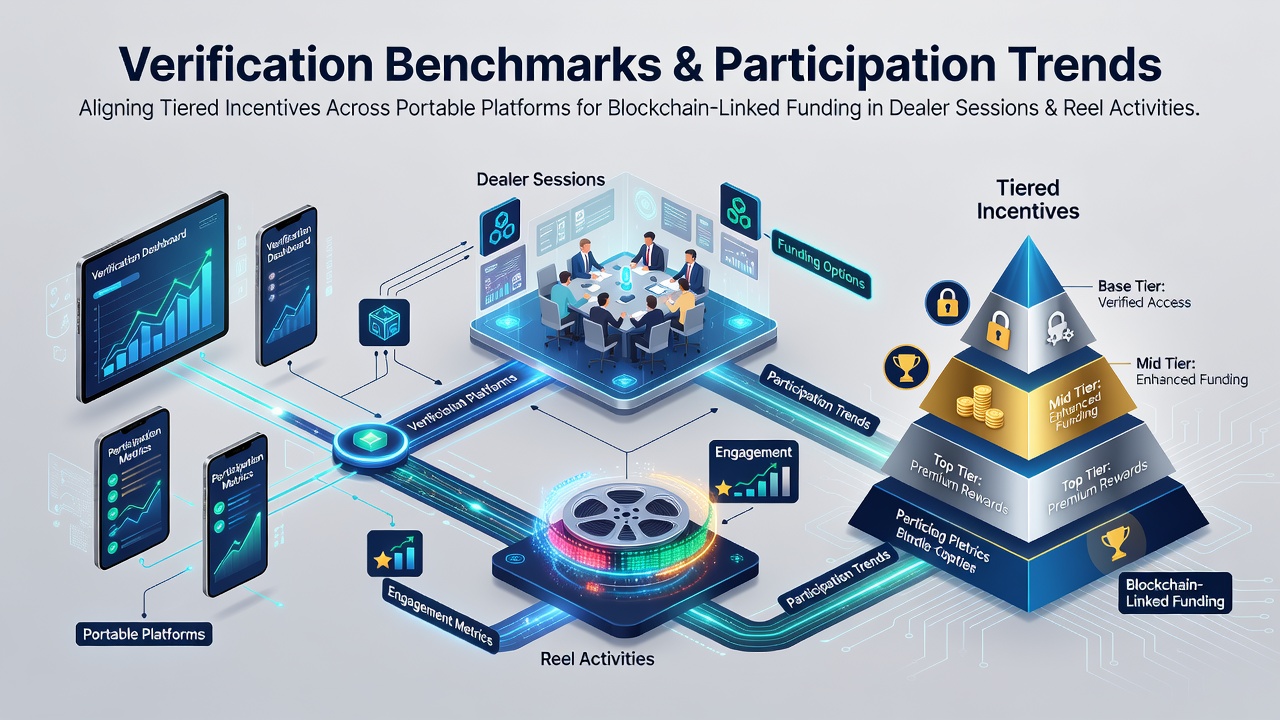
Verification benchmarks have become central to how participation trends develop on portable platforms that incorporate blockchain-linked funding for live dealer sessions and reel activities, with systems designed to match user engagement levels to structured reward tiers. Data from industry analyses shows these benchmarks typically include identity confirmation protocols, transaction history reviews, and behavioral pattern assessments that determine eligibility for progressive incentives while supporting compliance requirements across different regions.
Understanding Verification Benchmarks in Mobile Gaming Environments
Portable platforms integrate verification steps that occur at onboarding and continue through ongoing activity monitoring, allowing operators to categorize participants based on verified data points such as deposit frequency and session duration. According to reports from the Nevada Gaming Control Board, these processes help align user profiles with incentive structures that scale from basic access to premium features, including enhanced payout speeds and exclusive game variants in dealer-led formats.
Researchers have documented how blockchain elements enter this framework through transparent ledger entries that record funding movements without revealing personal details beyond the verification threshold, which in turn supports tier progression for users engaged in both live table interactions and automated reel sequences. Participation metrics collected through these channels indicate higher retention rates among accounts that complete multi-stage verification early, as the data facilitates targeted incentive distribution.
Participation Trends Across Portable Platforms
Trends in user activity reveal that mobile accessibility drives increased engagement with dealer sessions and reel activities when verification benchmarks connect directly to funding options built on blockchain networks. Figures from the Australian Communications and Media Authority indicate that platforms offering seamless integration between verified identities and tiered reward systems see participation growth concentrated in regions with strong mobile infrastructure, where users move between short reel sessions and extended live dealer tables within single app environments.
Observers note that verification completion rates correlate with shifts toward higher-tier incentives, such as loyalty multipliers applied to both slot outcomes and table game results. This alignment occurs because verified data streams allow platforms to automate incentive delivery, reducing delays that previously disrupted user flow during peak activity periods.
Tiered Incentives and Their Connection to Blockchain Funding
Tiered incentive models on these platforms typically progress through levels defined by cumulative verified activity, with entry points unlocked after initial blockchain transaction confirmations and advanced tiers granted following sustained participation in dealer sessions or reel play. Evidence from the European Gaming and Betting Association shows that such structures encourage consistent engagement by linking reward access to verified funding histories stored on distributed ledgers.
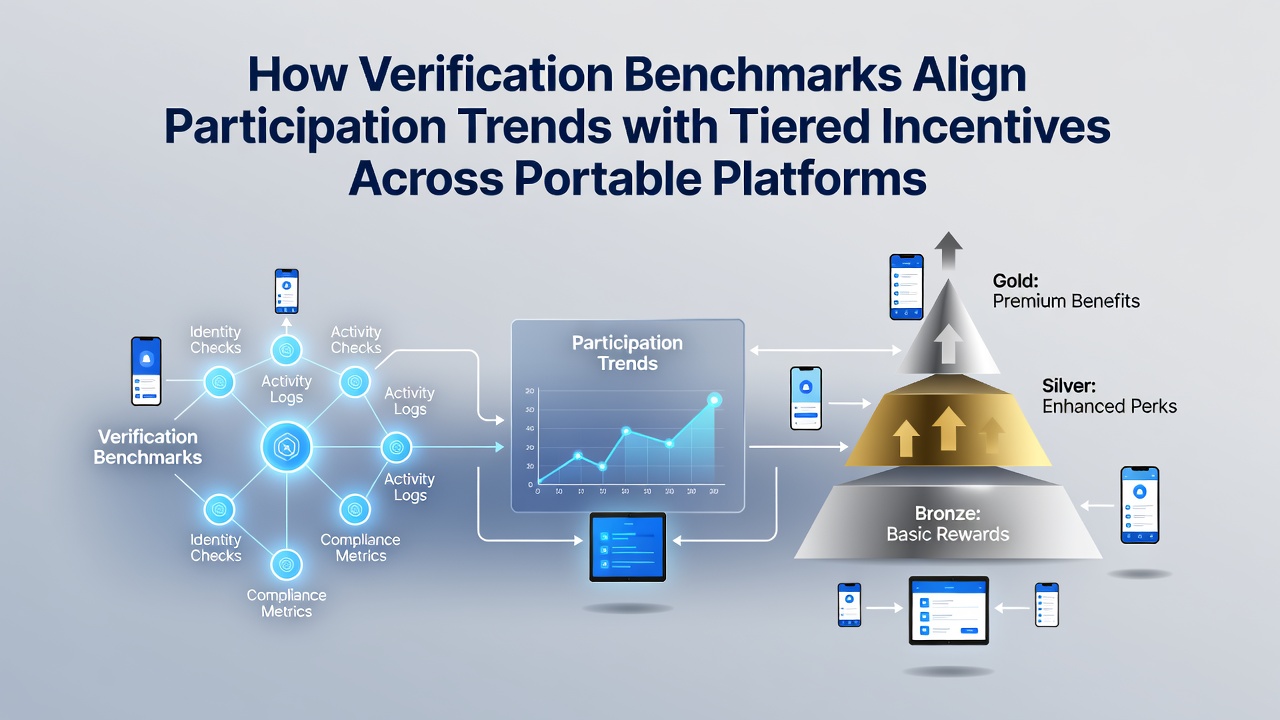
Users who advance through tiers often gain advantages like reduced verification intervals for subsequent transactions and priority access to new dealer game releases, while reel activities receive parallel boosts through accelerated bonus applications. The connection strengthens when blockchain protocols enable real-time settlement, allowing incentive calculations to reflect live participation data without manual intervention.
Alignment Mechanisms in Dealer Sessions and Reel Activities
Alignment between verification benchmarks and participation trends manifests through adaptive systems that adjust incentive visibility based on verified user status, which research indicates leads to more predictable engagement patterns across portable devices. In dealer sessions, verified participants at mid-tier levels frequently encounter customized table minimums and loyalty point accruals tied to blockchain-tracked wagers, whereas reel activities feature matching mechanics that scale free spin allocations with overall account verification depth.
By June 2026, several platforms are expected to expand these alignments further, incorporating additional data layers from regulatory updates that refine how tiered incentives respond to verified mobile activity volumes. This development builds on existing patterns where higher verification standards have corresponded with increased time spent in both live and automated game formats.
Regional Variations and Regulatory Influences
Different jurisdictions apply distinct verification benchmarks that influence how tiered incentives function on blockchain-supported portable platforms. Canadian provincial frameworks, for instance, emphasize cross-border transaction verification that feeds into incentive eligibility, while certain Asian markets focus on session-based checks that directly impact reel activity rewards. These variations create diverse participation landscapes where users experience incentive tiers calibrated to local compliance standards yet unified through underlying blockchain funding rails.
Industry reports highlight that platforms adapting verification processes to regional requirements maintain broader user bases, with data showing sustained activity in dealer sessions among accounts that navigate tier progression smoothly. The result appears in aggregated metrics that track how incentive alignment affects overall platform retention across multiple device types.
Conclusion
Verification benchmarks continue to shape participation trends by providing the foundation for tiered incentive distribution on portable platforms that utilize blockchain-linked funding for dealer sessions and reel activities. As systems evolve, the integration of these elements supports structured user progression while meeting operational requirements across varied regulatory environments. Data collected through 2026 will likely refine these alignments further, offering clearer insights into how mobile engagement patterns respond to benchmark-driven incentive models.