Fertitta Entertainment Secures Agreement to Purchase Caesars Entertainment in $17.6 Billion Transaction

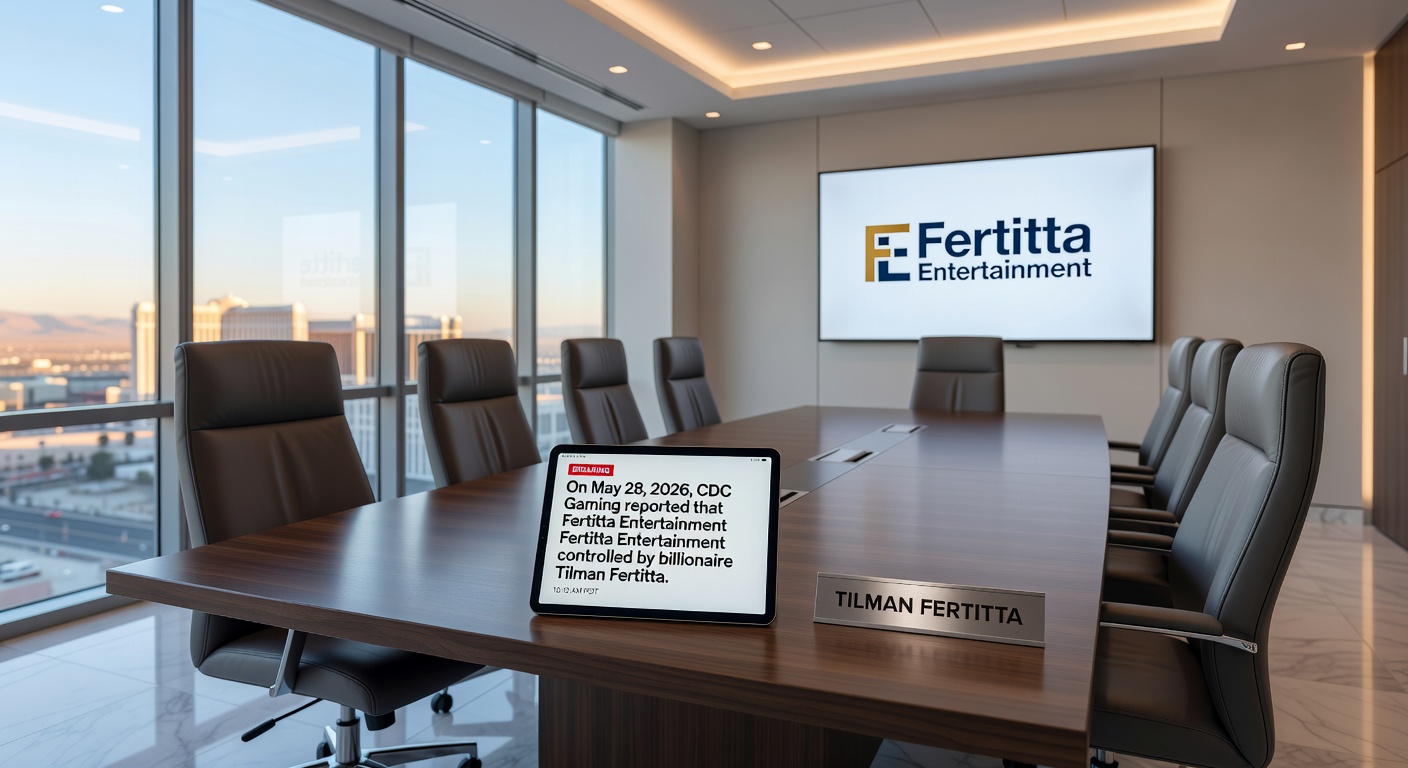
On May 28 2026 CDC Gaming reported that Fertitta Entertainment controlled by billionaire Tilman Fertitta reached an agreement to acquire Caesars Entertainment through an all-cash transaction valued at $17.6 billion including the assumption of existing debt and the deal stands as one of the largest moves in the casino and gaming sector in recent years while analysts continue to examine its broader effects across competing companies.
The transaction structure incorporates a go-shop period that extends through July 11 allowing Caesars Entertainment to solicit alternative proposals during that window and this provision gives the board flexibility to consider superior offers before the agreement becomes binding in full. Regulatory approvals remain a central requirement with the entire process expected to take roughly twelve months before closing can occur and industry participants watch closely for any conditions that state or federal agencies might attach to the final approval.
Key Elements of the Acquisition Agreement
Financing for the purchase draws from multiple sources including equity contributions assumed debt obligations and bank credit arrangements that together support the full cash consideration required by the terms. Observers note that this blend of funding mechanisms reduces reliance on any single capital stream and it also aligns with common practices seen in large-scale hospitality and gaming acquisitions where balance sheet strength plays a decisive role. The all-cash nature of the offer distinguishes the proposal from stock-based deals that sometimes introduce valuation disputes during negotiation phases.
Analyst Reactions and Competitive Landscape
Wall Street analysts including Barry Jonas of Truist Securities pointed out that the acquisition could create openings for other major operators such as MGM Resorts International and Boyd Gaming because market share shifts or required asset divestitures might follow once the combined entity completes integration. Those who track gaming equities often cite similar patterns where regulatory reviews lead to sales of overlapping properties in certain regional markets and this possibility receives particular attention whenever consolidation reaches the scale outlined in the current agreement.
Market participants have begun modeling scenarios in which divestitures occur in jurisdictions where the combined Fertitta-Caesars footprint would exceed concentration thresholds set by gaming control boards. Data from previous large transactions shows that such remedies can redistribute valuable real estate and operating licenses among remaining competitors which in turn influences regional revenue distributions over subsequent quarters. Analysts continue to update their models as new details surface regarding which properties might face scrutiny during the approval process.
Timeline and Regulatory Path Forward
The go-shop window ending July 11 serves as an initial checkpoint after which the parties move toward definitive agreements and the submission of required filings to multiple regulatory bodies. State-level gaming commissions in Nevada New Jersey and other jurisdictions where Caesars maintains significant operations will conduct their own reviews while federal antitrust authorities examine competitive effects across broader hospitality markets. The twelve-month closing estimate accounts for these layered approval stages which historically extend when large asset portfolios change hands.
Financing commitments tied to the equity debt and bank components require simultaneous satisfaction of lender conditions and this synchronization adds another layer of complexity that legal teams on both sides must coordinate carefully. Those who follow merger timelines note that any delays in one financing channel can ripple through the others and therefore the parties maintain parallel workstreams to keep momentum toward the targeted close date.
Industry Context and Market Implications
Observers tracking gaming sector consolidation recognize that deals of this magnitude often prompt re-evaluation of strategic positioning among remaining independent operators. MGM Resorts International and Boyd Gaming stand positioned to benefit if divestiture packages become available or if customer loyalty shifts occur in overlapping markets. Reports from industry associations such as the American Gaming Association have documented how past acquisitions redistributed operational assets and altered competitive dynamics in key regional corridors.
Meanwhile regulatory filings associated with similar transactions illustrate the level of detail agencies demand when evaluating market concentration and public interest factors. A related research overview published through University of Nevada Las Vegas gaming studies highlights patterns in approval conditions that frequently accompany large-scale ownership changes in the hospitality and entertainment fields.
Conclusion
The agreement between Fertitta Entertainment and Caesars Entertainment marks a significant development that continues to generate discussion across financial and regulatory circles. With the go-shop period underway and financing structures in place the focus now shifts to the approval process and any competitive adjustments that may emerge over the coming months. Market participants monitor filings and announcements closely as the transaction progresses toward its anticipated closing within the twelve-month timeframe outlined in the initial reports.