Demographic Patterns and Their Role in Refining Interactive Wagering Interfaces
Tina Ludwig · Jul 31, 2026

Demographic Patterns and Their Role in Refining Interactive Wagering Interfaces
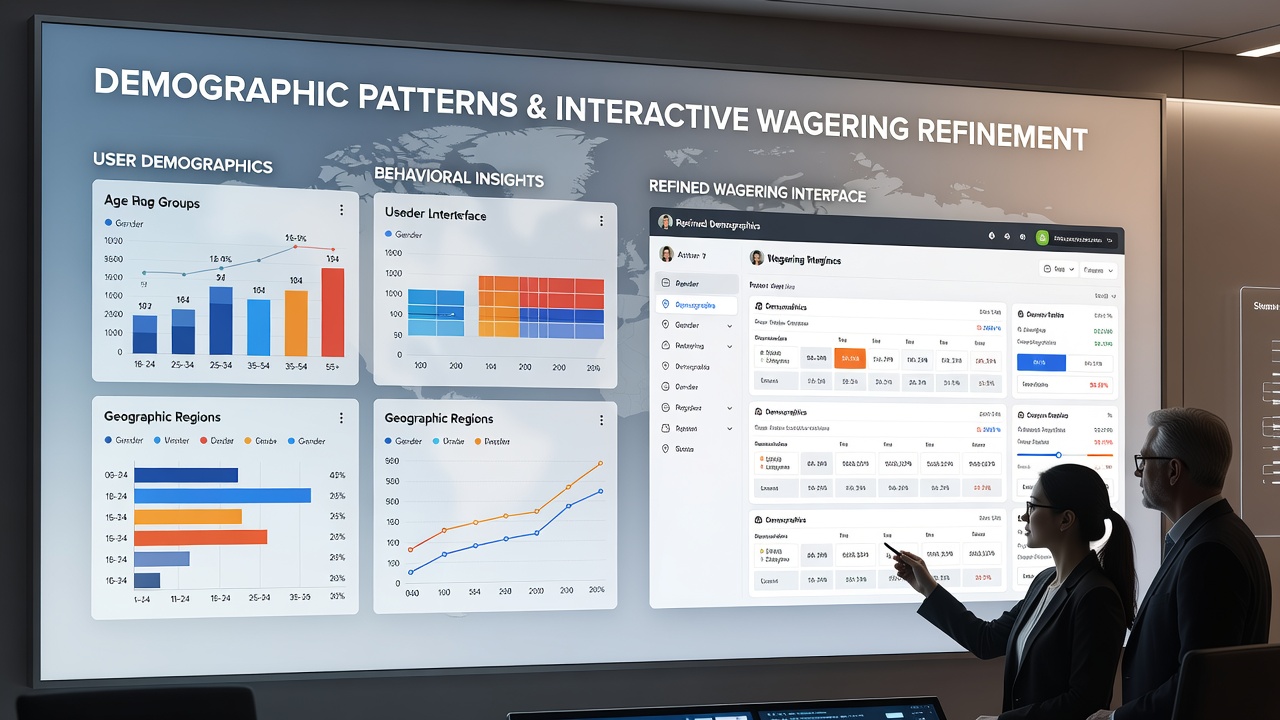
Demographic patterns provide the foundation for updates to interactive wagering interfaces, and analysts track these shifts through user data collected across platforms in multiple regions. Age distributions influence layout choices because younger cohorts gravitate toward streamlined mobile navigation while older groups benefit from larger text and simplified menus, according to aggregated reports released by the American Gaming Association in early 2026. Gender breakdowns reveal distinct preferences for game types and reward structures, with data indicating that female users often engage longer with social features integrated into live dealer sections.
Age-Based Interface Adjustments
Platforms collect age-related metrics to adjust color schemes, animation speeds, and tutorial depth, and studies from Canadian regulators show that users aged 18 to 34 complete deposits faster when interfaces emphasize quick-tap buttons and real-time statistics. Older participants demonstrate higher retention when help prompts appear without requiring extra clicks, and developers respond by embedding contextual assistance directly into the main screen. In July 2026, several operators plan to release updated dashboards that automatically scale elements based on self-reported age ranges stored in user profiles.
Geographic and Regional Influences
Location data shapes payment gateways and language options because users in densely populated urban centers access high-speed connections more reliably than those in rural zones, prompting firms to optimize for variable latency. Australian government statistics highlight how state-level rules affect interface elements such as responsible gaming pop-ups, while European operators adapt similar tools to comply with varying national standards. One study conducted across North American markets found that incorporating regional sports team branding increased session duration among users from specific provinces and states.
Income brackets further refine transaction flows, and higher-earning segments receive priority access to premium loyalty tiers displayed prominently on the homepage, whereas budget-conscious users see prominent low-stake game recommendations. Research published by the National Council on Problem Gambling indicates that these targeted displays correlate with steadier engagement rates across income categories when paired with clear spending trackers.
Behavioral Data Integration
Operators combine demographic inputs with behavioral logs to test interface variants, and A/B testing conducted on handheld devices reveals that incorporating demographic filters into recommendation engines improves click-through rates. For instance, platforms serving multicultural populations add currency converters and multilingual chat support based on self-identified background information. Observers note that such refinements reduce bounce rates during initial registration sequences, particularly when users encounter familiar cultural references in onboarding flows.
Seasonal patterns intersect with demographics as well, and summer months often show spikes in mobile usage among vacationing younger adults, leading designers to emphasize offline-capable modes for intermittent connectivity. Data from multiple jurisdictions demonstrates that these adjustments maintain consistent performance across devices without requiring separate applications.
Future Developments in July 2026
Upcoming regulatory updates scheduled for July 2026 will require operators to document how demographic analytics inform accessibility features, and compliance teams already prepare reports that link user surveys to specific interface changes. Academic researchers at several universities continue to examine correlations between education levels and feature adoption, providing additional datasets that operators cross-reference with existing metrics. These combined sources allow platforms to iterate on layouts while meeting emerging transparency standards across different markets.
Conclusion
Demographic patterns continue to guide refinements in interactive wagering interfaces through systematic collection and application of user statistics, and operators maintain these practices to align platform functionality with observed population trends. Continued monitoring of age, location, gender, and income variables supports ongoing adjustments that reflect real usage patterns reported by industry and regulatory bodies alike.