Connecting Alternative Funding Methods to Premium Rewards in Mobile Live Gaming
David Becker · Aug 7, 2026
Connecting Alternative Funding Methods to Premium Rewards in Mobile Live Gaming
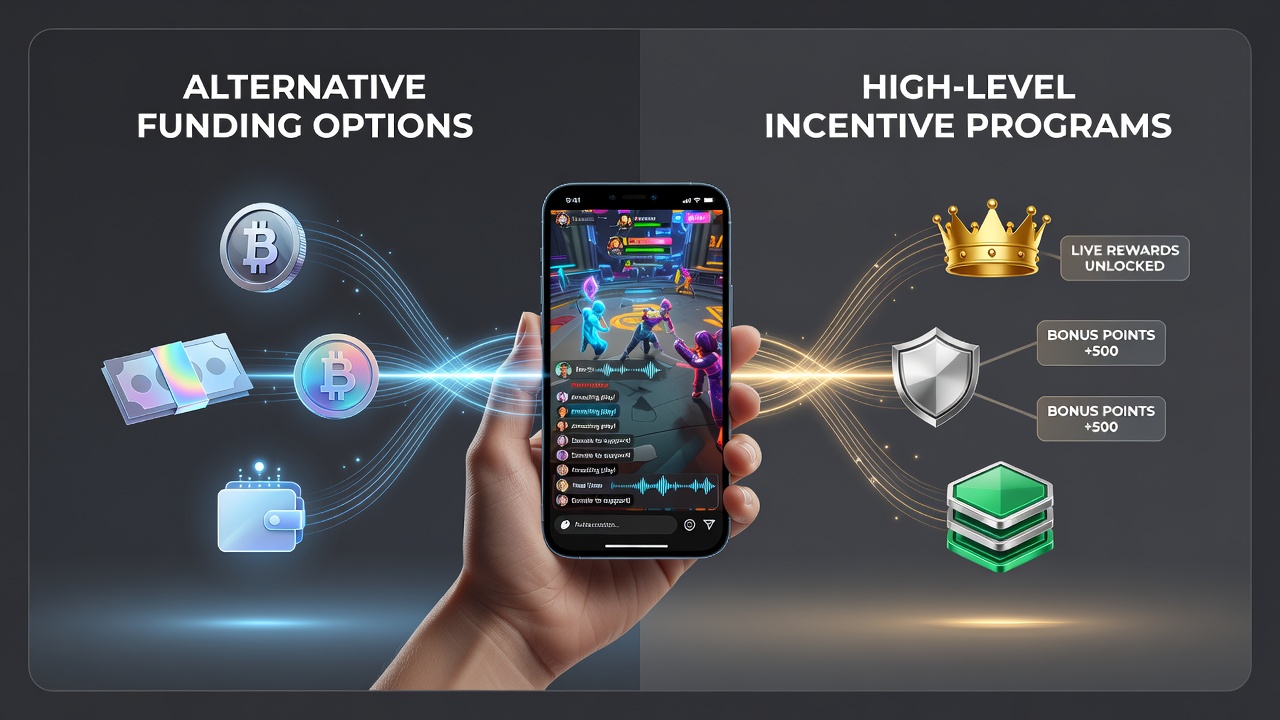
Alternative funding options such as cryptocurrency transfers, e-wallet services, and prepaid digital accounts have expanded rapidly in smartphone-based live gaming sessions while high-level incentive programs have adjusted their structures to accommodate these methods. Data from industry tracking shows that mobile live dealer platforms recorded increased transaction volumes through non-traditional channels during 2025, with many operators integrating these systems directly into loyalty frameworks. Observers note that this integration allows players who use faster settlement options to access tiered rewards more quickly than those relying on conventional banking routes.
How Alternative Funding Shapes Mobile Live Sessions
Smartphone applications for live dealer games now support direct deposits via blockchain networks and digital wallets, which reduces processing times from days to minutes in many cases. Research from gaming analytics firms indicates that sessions involving crypto funding often last longer on average because players encounter fewer interruptions during balance top-ups. Those who participate in high-volume mobile play frequently combine these funding choices with automated reward triggers that activate upon reaching specific deposit thresholds or play durations. Experts have observed that platforms in regulated markets across North America and parts of Asia have updated their backend systems to recognize these alternative inflows and assign corresponding loyalty points in real time.
Structure of High-Level Incentive Programs
Premium reward schemes in live mobile gaming typically include cashback percentages, exclusive table access, and personalized bonuses that scale with activity levels. These programs track metrics such as total wagered amounts and session frequency, then convert the data into tier advancement. Figures released by operator consortia reveal that participants using digital asset funding reach higher tiers at accelerated rates because transaction confirmations occur without intermediary delays. In several documented cases operators have introduced separate leaderboards for crypto-funded accounts that distribute additional incentives at the end of each calendar month.
The Direct Link Between Funding Choices and Rewards
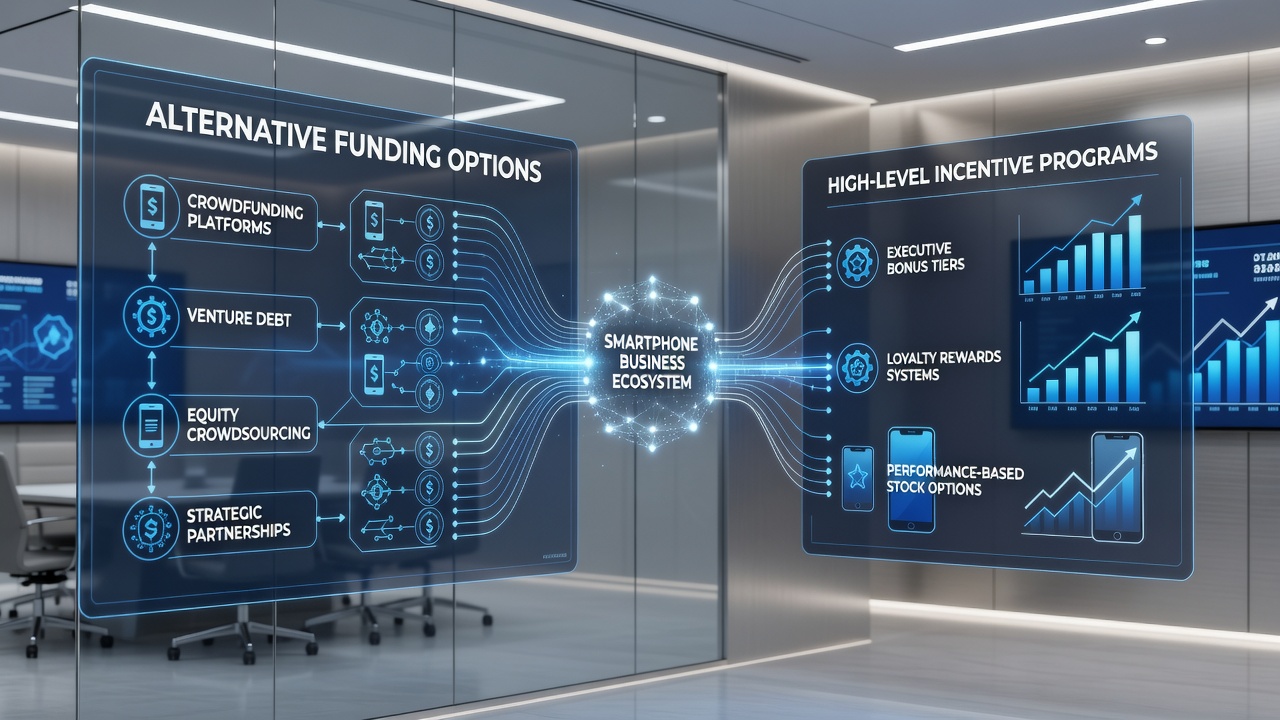
Operators connect alternative funding to incentive programs through automated tagging systems that flag qualifying transactions and apply bonus multipliers accordingly. This linkage means a player who deposits via a supported cryptocurrency wallet may receive an immediate credit toward loyalty status, whereas the same amount processed through a traditional card might follow a standard verification path. Reports compiled by the American Gaming Association highlight that such differentiated treatment has become common in markets where mobile live gaming accounts for over 40 percent of total handle. The result appears in player behavior data showing higher retention rates among users who combine fast funding with reward-optimized sessions.
What's interesting is how these systems handle cross-border transactions, since many alternative methods bypass regional banking restrictions that once limited reward eligibility. Regulatory updates scheduled for implementation by August 2026 in several jurisdictions are expected to require clearer disclosure of these funding-reward linkages so participants understand exactly how their chosen method influences available perks. Industry groups have already begun preparing compliance frameworks that map each payment type to its corresponding incentive calculation method.
Regional Examples and Participation Trends
In markets such as New Jersey and parts of Canada, live dealer applications have reported measurable upticks in VIP program enrollment when crypto options were added alongside existing reward structures. A study conducted by researchers at the University of Nevada, Las Vegas examined participation rates and found that accounts funded through digital assets showed 28 percent faster progression through loyalty tiers compared with those using standard methods. Similar patterns have emerged in European markets where operators must comply with varying national rules yet still link funding speed to reward availability. Those who monitor these trends note that the connection strengthens most noticeably in games requiring real-time interaction, such as live blackjack and roulette streams on handheld devices.
Technical Integration and Data Tracking
Behind the scenes, application programming interfaces connect payment gateways directly to loyalty engines so that every verified transaction updates player profiles without manual intervention. This automation supports the high-volume nature of smartphone gaming, where thousands of simultaneous sessions occur daily. Data indicates that platforms employing these integrated systems experience fewer disputes over reward eligibility because the funding source and amount are recorded at the moment of deposit. Observers have documented cases where operators introduced new incentive layers specifically for users who maintain consistent activity through blockchain-based funding, creating additional retention mechanisms beyond standard point accumulation.
Conclusion
The relationship between alternative funding options and high-level incentive programs continues to evolve as mobile live gaming expands. Transaction speed, verification processes, and automated tracking now determine how quickly participants access premium rewards across different platforms. Regulatory developments anticipated in August 2026 will likely standardize certain aspects of this connection while preserving the operational flexibility that allows operators to differentiate their offerings. Continued monitoring by industry researchers will clarify how these funding and reward systems interact over the coming years.