Charting Interface Adaptations That Shape Retention Patterns in Simulated Card Dynamics Within Licensed Portable Platforms
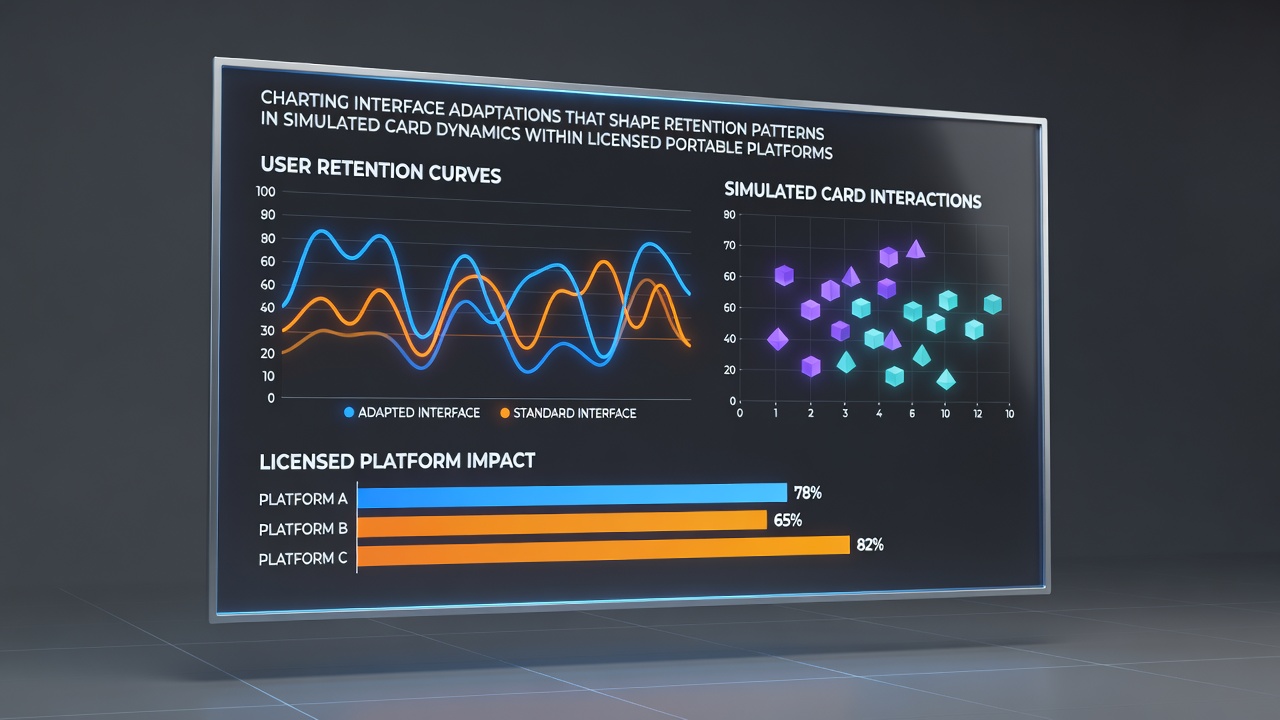
Interface adaptations in simulated card dynamics continue to influence how users interact with licensed portable platforms, and data from multiple industry analyses show these changes directly affect retention patterns over extended periods. Researchers tracking mobile engagement metrics have documented shifts where subtle adjustments to navigation, visual feedback, and session pacing lead to measurable differences in repeat participation rates across card-based simulations such as poker variants and blackjack formats.
Core Elements of Interface Adaptation
Developers implement changes that range from dynamic button placement to adaptive color schemes based on user behavior logs, and these modifications often occur in real time during active sessions. Studies compiled by the American Gaming Association indicate that platforms incorporating gesture-responsive controls and context-aware tutorials experience higher average session durations compared to static layouts, particularly when users engage with simulated dealer interactions on handheld devices. Observers note that retention improves when interfaces reduce cognitive load through streamlined menu hierarchies, allowing quicker transitions between betting rounds and result displays.
One notable approach involves predictive highlighting of probable next actions drawn from historical play data, and this technique appears in several licensed applications operating under state regulatory frameworks. Figures released in early 2026 revealed that such predictive elements contributed to a 12 percent increase in weekly active users for certain card simulation titles when measured against control groups without the feature. Those who've examined these patterns point to the integration of haptic feedback synchronized with card reveals as another factor that sustains engagement by reinforcing decision points without overwhelming the display.
Retention Metrics and Platform Data
Retention patterns emerge clearly when analysts compare cohorts exposed to different interface iterations, and longitudinal tracking shows that users encountering personalized card arrangement options return more consistently over 30-day windows. Data compiled through analytics partnerships with licensed operators demonstrate that adaptive scaling of table views for various screen sizes correlates with lower churn rates, especially among users who access platforms during short mobile sessions throughout the day. What's significant is how these adaptations align with regulatory requirements for fair play indicators, ensuring that visual cues do not obscure essential probability information.
Platforms licensed in multiple jurisdictions often deploy A/B testing frameworks to refine these elements, and results from such tests frequently guide updates rolled out in coordinated phases. In July 2026, several operators introduced refined swipe mechanics for discarding cards in simulated draw poker environments, and preliminary reports suggest these updates produced noticeable lifts in day-seven retention figures across tested user segments. Researchers from academic institutions studying digital gaming behaviors have linked these outcomes to reduced friction during high-frequency decision sequences, which helps maintain flow states that encourage continued participation.
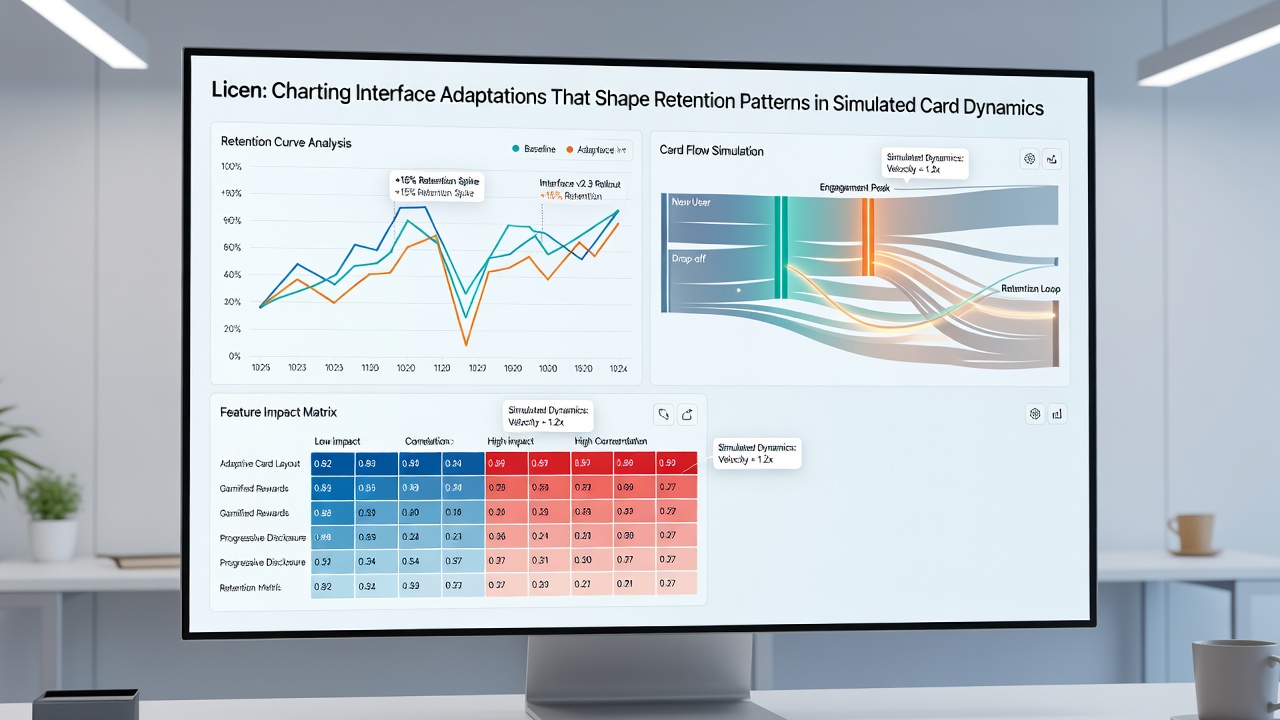
Regulatory and Technical Considerations
Licensed portable platforms must balance innovation with compliance standards set by bodies such as the Nevada Gaming Control Board, and this constraint shapes how aggressively developers can alter core interaction models. Technical reports highlight that successful adaptations often embed compliance overlays directly into the interface, presenting audit trails and random number generator status without disrupting visual continuity. Those monitoring industry trends observe that such integrated safeguards help sustain user trust, which in turn supports longer-term retention across card dynamics that rely on perceived fairness.
Cross-platform synchronization further extends these effects, allowing users to resume sessions seamlessly when switching between devices while preserving customized interface preferences. Evidence gathered from operational data sets shows that platforms offering persistent customization profiles achieve stronger cohort retention, particularly when users can adjust animation speeds or information density to match individual preferences. The reality is that these features require substantial backend infrastructure to maintain consistency under varying network conditions common to portable use.
Emerging Patterns in User Behavior
Analyses of participation rates reveal that interface adaptations targeting micro-interactions, such as one-tap bet adjustments or contextual help prompts, produce compounding effects on return frequency. Data from research institutions tracking mobile gaming across North America and parts of Europe indicate that users respond positively to interfaces that anticipate common errors and offer immediate correction pathways, thereby preventing frustration that might otherwise lead to session abandonment. Observers have documented cases where subtle shifts in card animation timing improved perceived responsiveness and contributed to higher completion rates for multi-round sequences.
What's interesting here involves the role of accessibility adaptations, including high-contrast modes and voice-guided navigation options, which expand the reachable audience and support retention among diverse user groups. Industry organizations tracking these developments note that platforms incorporating such options early in their development cycles often report more stable engagement curves over quarterly reporting periods. These adaptations integrate with broader ecosystem requirements while preserving the core dynamics of simulated card play.
Conclusion
Interface adaptations continue to serve as a primary lever for shaping retention in simulated card dynamics on licensed portable platforms, and ongoing data collection efforts provide clearer pictures of which modifications yield sustained participation. As operators refine these systems under evolving regulatory landscapes, the focus remains on evidence-based adjustments that align user experience with operational and compliance demands. Patterns observed through mid-2026 suggest that continued iteration in these areas will influence how card simulations maintain engagement across expanding user bases.