Adaptive Interface Adjustments and Their Impact on Retention in Digital Card Game Simulations
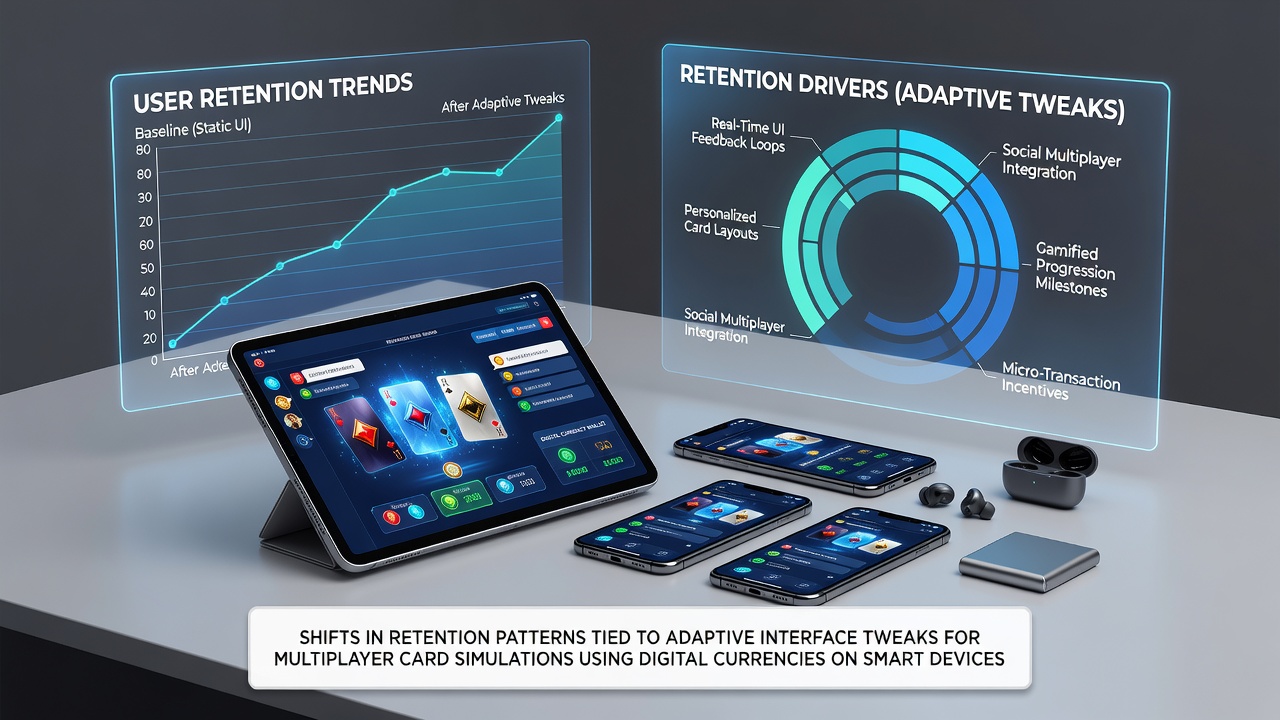
Multiplayer card simulations on smart devices have incorporated digital currencies as core mechanics for in-game transactions, and developers continue to refine retention through targeted interface modifications. These simulations operate within virtual environments where players engage in structured card-based interactions, and data from platform analytics shows that retention metrics respond directly to changes in how users interact with controls, layouts, and feedback systems. Researchers tracking user sessions across multiple applications note that adaptive tweaks, which adjust elements based on individual play patterns, correlate with measurable shifts in session length and return rates.
Core Mechanics of Adaptive Interfaces in Card Simulations
Adaptive interfaces rely on real-time data collection from device sensors and user inputs to modify visual hierarchies, button placements, and notification timing. In card simulations using digital currencies, these systems prioritize elements such as balance displays and transaction prompts because players interact with currency mechanics frequently during matches. Studies from academic institutions indicate that when interfaces reduce cognitive load by highlighting relevant cards or streamlining currency transfers, average session durations increase by measurable percentages within controlled test groups. Developers implement these changes through machine learning models that analyze prior sessions, and the resulting adjustments appear in subsequent play without requiring manual user configuration.
Retention Data Patterns Across Device Platforms
Platform operators report that retention curves for these simulations flatten more gradually when adaptive features activate early in the user lifecycle. Figures from industry tracking services reveal that players encountering personalized layouts within the first five sessions demonstrate higher seven-day return rates compared with those using static interfaces. On Android and iOS devices, the differences manifest in both daily active user counts and currency transaction volumes, with the latter serving as a proxy for engagement depth. Observers note that these patterns hold across regions where digital currency usage remains permitted within simulation frameworks, and data sets collected through June 2026 continue to reflect consistent correlations between tweak frequency and retention stability.
Role of Digital Currencies in Driving Interface Evolution
Digital currencies function as the transactional layer within these card simulations, and interface tweaks often target the visibility and accessibility of currency-related actions. When systems adapt by surfacing quick-transfer options during high-stakes card rounds, transaction completion rates rise according to aggregated telemetry. This adjustment process connects directly to retention because smoother currency flows reduce friction points that previously prompted session abandonment. Research teams examining simulation logs have documented that players who complete more currency interactions per session also log higher total playtime over thirty-day windows, establishing a measurable linkage between interface responsiveness and sustained participation.
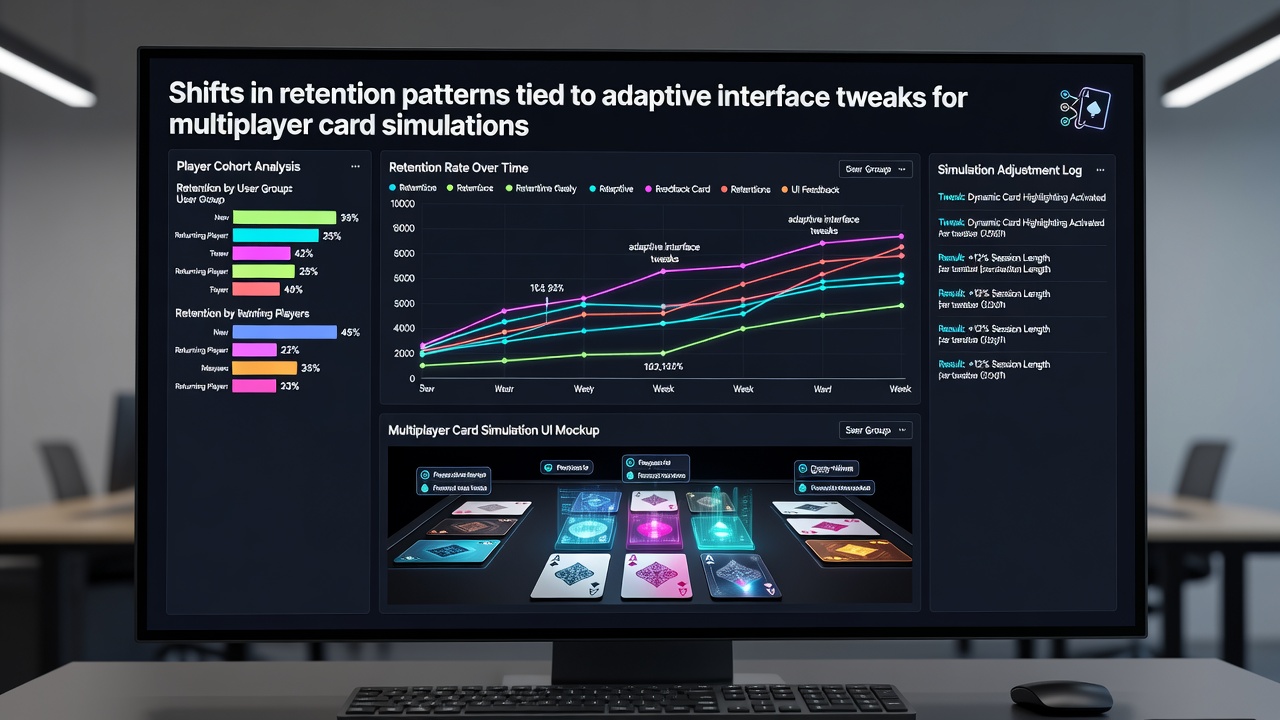
What's interesting emerges when examining how these currency features interact with broader multiplayer dynamics. Adaptive systems frequently reposition chat overlays or result summaries to maintain focus on active card play while still accommodating currency management. Data collected from large-scale deployments shows that such repositioning coincides with reduced drop-off during group matches, particularly among users who engage in repeated currency exchanges. External analyses from organizations like the Interactive Games and Entertainment Association have examined similar patterns in digital entertainment environments, highlighting how localized interface adjustments influence ongoing user commitment across varied device ecosystems.
Observed Shifts in Retention Metrics Following Specific Tweaks
Longitudinal tracking of simulation platforms demonstrates that sequential interface updates produce distinct retention responses. One documented adjustment involved expanding tap targets for currency denomination selectors, and subsequent analytics indicated a lift in both session frequency and average spend per active user within the digital economy layer. Another modification introduced contextual tooltips that appear only after repeated card actions, and retention data reflected slower decay in monthly active user cohorts. These outcomes align with findings presented in reports from research bodies such as the Stanford Center for Digital Media, which examined user behavior in interactive digital environments and identified interface personalization as a consistent variable in retention forecasting models.
Multiplayer elements add another dimension because adaptive changes must account for synchronized actions across participants. When interfaces automatically adjust visibility of shared currency pools during collaborative rounds, group session continuity improves according to platform metrics. Developers continue to iterate on these features, and the cumulative effect appears in aggregate retention statistics that span multiple calendar quarters through mid-2026. Regulatory frameworks in various jurisdictions require transparency around such data practices, which in turn influences how simulation operators document and apply interface modifications.
Technical Implementation and Measurement Approaches
Implementation of adaptive tweaks typically occurs through client-side scripts that receive updated parameters from backend servers after each session analysis cycle. Measurement relies on A/B testing frameworks embedded within the applications, allowing operators to isolate the impact of individual changes on retention indicators such as day-30 return probability. These frameworks generate datasets that researchers cross-reference with device type, network conditions, and currency usage intensity. The resulting insights feed into subsequent design cycles, creating a feedback loop where retention outcomes directly inform the scope of future interface adaptations.
Broader Industry Context and Data Sources
Industry associations across North America and Europe have begun compiling comparative datasets on retention within simulation categories, and these compilations show that platforms employing adaptive currency interfaces maintain steadier user bases than those relying on fixed designs. Such compilations draw from anonymized session records submitted by multiple operators, and they provide benchmarks that individual development teams reference when calibrating their own systems. The process underscores how interface evolution remains tied to empirical retention signals rather than static design assumptions.
Conclusion
Retention patterns in multiplayer card simulations using digital currencies on smart devices continue to shift in response to adaptive interface tweaks, with available data indicating clear linkages between specific modifications and user return behavior. Platform operators apply these adjustments systematically, and ongoing measurement through established testing protocols supports further refinement. As simulation environments evolve through June 2026 and beyond, the documented relationships between interface responsiveness, currency mechanics, and retention metrics provide a factual basis for continued development within this segment of digital entertainment.